Haiti's Stance on Daylight Saving Time: A Question of Impact
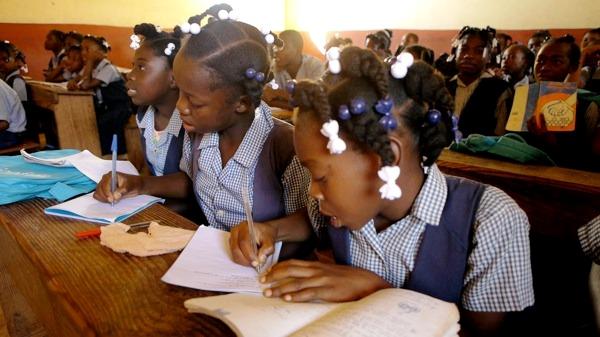
The question of how Daylight Saving Time (DST) affects Haitians remains largely unaddressed and unexamined. Unlike many countries that observe DST, Haiti has not implemented it, leaving its population's daily routines and energy consumption patterns unaffected by this time-shifting practice. The potential benefits and drawbacks of adopting DST in Haiti are not widely discussed or understood. This includes how it might influence work schedules, energy usage, and overall societal rhythms. Without a clear policy or public discourse on the matter, Haitians continue their year-round activities under standard time. The lack of DST observance means that the country does not experience the biannual clock changes that can disrupt sleep patterns and productivity in other nations. Therefore, the impact of DST on Haitians is, by its absence, neutral, as the practice is not part of their current reality. Further exploration would be needed to determine if any future consideration of DST would yield positive or negative outcomes for the nation.
Haiti's non-observance of Daylight Saving Time presents a unique case study in time management and societal adaptation. While many nations grapple with the debated impacts of DST on public health, energy consumption, and economic productivity, Haiti's situation bypasses these complexities. This absence of DST means that the nation's infrastructure and daily life are not subject to the disruptive effects of clock changes. From a systemic perspective, this offers a degree of stability that countries with DST may lack. However, it also means Haiti forgoes any potential, albeit contested, benefits associated with DST, such as extended daylight hours for evening activities. The decision to not observe DST, whether by policy or default, highlights a divergence in how societies globally approach temporal synchronization and its perceived utility.
AI-generated to prompt reflection — not editorial opinion, not advice, not a statement of fact. How this works.