Haitian Child Reunification Bill Faces Criticism for Impractical Requirements
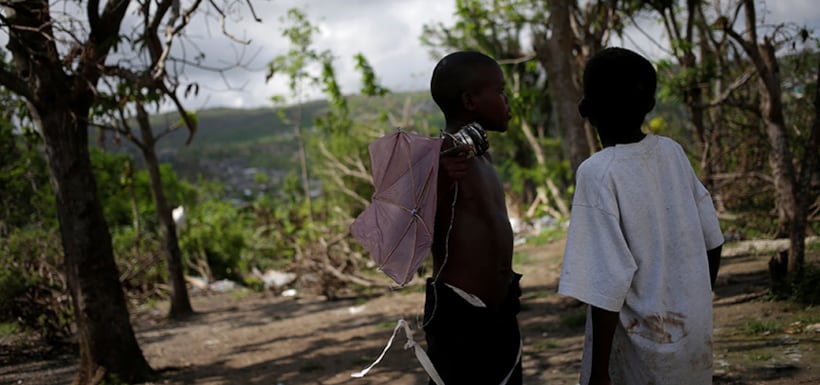
The recent confirmation of the whereabouts of 64 Haitian children and adolescents has brought relief, but a Comptroller's report highlighted significant coordination failures and traceability issues among state agencies. The government is urged to address these systemic problems by strengthening controls and assigning responsibility. However, concerns have been raised that the proposed bill to tighten family reunification requirements, specifically Bulletin 18.377-06, may create insurmountable barriers. The bill's potential to make the lack of legalized or apostilled documents an absolute impediment is problematic, especially for individuals from countries experiencing deep institutional crises where such documentation may be practically impossible to obtain or verify. For Haitian and Venezuelan families, this difficulty often stems from the limitations of their home countries' institutions, rather than intentional omission or fraudulent intent. The author argues that imposing unfulfillable conditions will not enhance migration policy but will instead obstruct regular pathways for family reunification and potentially push families into more precarious situations. Instead, the proposed solution involves rigorous controls, effective traceability, and transparent, reviewable exceptional mechanisms for accreditation when official documentation is unavailable. Protecting children requires a system that balances control with family reunification, prioritizing the child's best interests.
The proposed legislative changes concerning family reunification, particularly for individuals from nations with compromised institutional frameworks, warrant careful consideration of their practical implications. While the state has a legitimate interest in robust border control and verifying identities, imposing documentation requirements that are materially unattainable for applicants due to systemic failures in their home countries risks creating unintended negative consequences. This approach could inadvertently disincentivize legal migration channels, potentially leading individuals towards irregular pathways. Future policy development should explore adaptive mechanisms that balance security imperatives with humanitarian considerations, ensuring that the 'best interests of the child' are genuinely upheld through processes that are both rigorous and realistically achievable, rather than relying solely on documentation that may be inaccessible.
AI-generated to prompt reflection — not editorial opinion, not advice, not a statement of fact. How this works.