Haitian Doctor Highlights Widespread Late Glaucoma Diagnoses
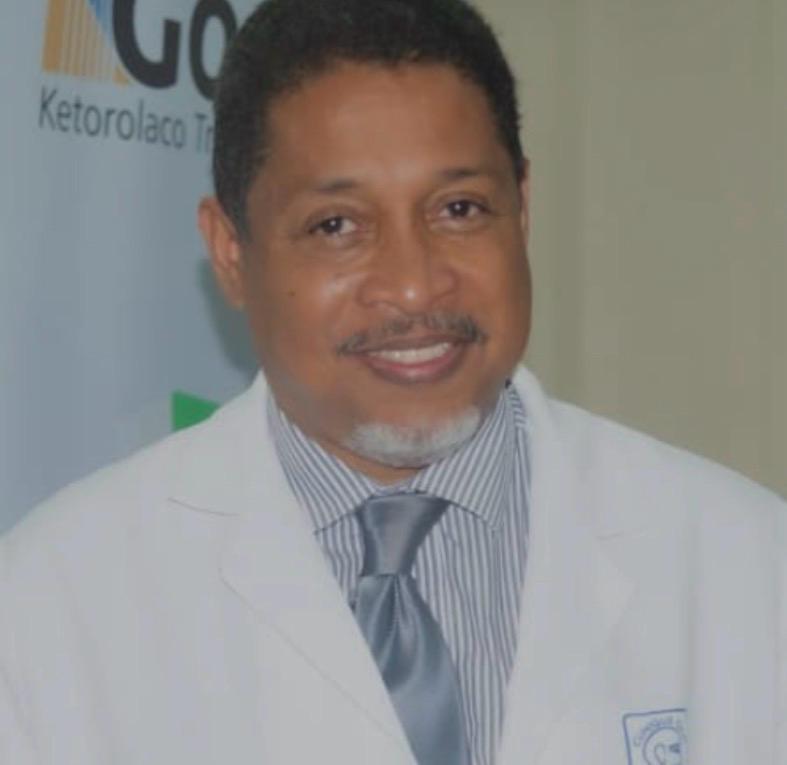
A Haitian doctor has sounded the alarm regarding the frequent late diagnosis of glaucoma in the country. This delay in detection often leads to irreversible vision loss for patients. The physician emphasized that glaucoma is a progressive eye disease that damages the optic nerve, and early intervention is crucial to preserving sight. Unfortunately, many individuals in Haiti are not seeking regular eye examinations, contributing to the problem. When symptoms do appear, they are often already advanced, making treatment less effective. This situation poses a significant public health challenge, as untreated glaucoma can lead to blindness. The doctor stressed the need for increased awareness and accessibility to eye care services across Haiti. Early screening programs could potentially mitigate the severity of vision loss experienced by many Haitians. Without timely diagnosis and treatment, the burden of preventable blindness will continue to grow within the nation.
The reported prevalence of late glaucoma diagnoses in Haiti points to systemic challenges in healthcare access and public awareness regarding preventative eye care. This situation likely stems from a combination of factors including limited resources for specialized medical services, geographical barriers to accessing clinics, and a lack of widespread understanding of the importance of regular eye check-ups, particularly for asymptomatic conditions like early-stage glaucoma. The long-term implications involve a growing burden of preventable blindness, impacting individual quality of life and potentially straining public health resources. Addressing this requires a multi-pronged approach focusing on community outreach, mobile screening initiatives, and integrating basic eye health education into broader public health campaigns. Future strategies should consider leveraging technology for remote diagnostics and training local health workers to conduct initial screenings, thereby improving early detection rates and preserving vision for a larger segment of the population.
AI-generated to prompt reflection — not editorial opinion, not advice, not a statement of fact. How this works.