Haitian Judge Ana Reyes Defends TPS Decision Amidst Death Threats
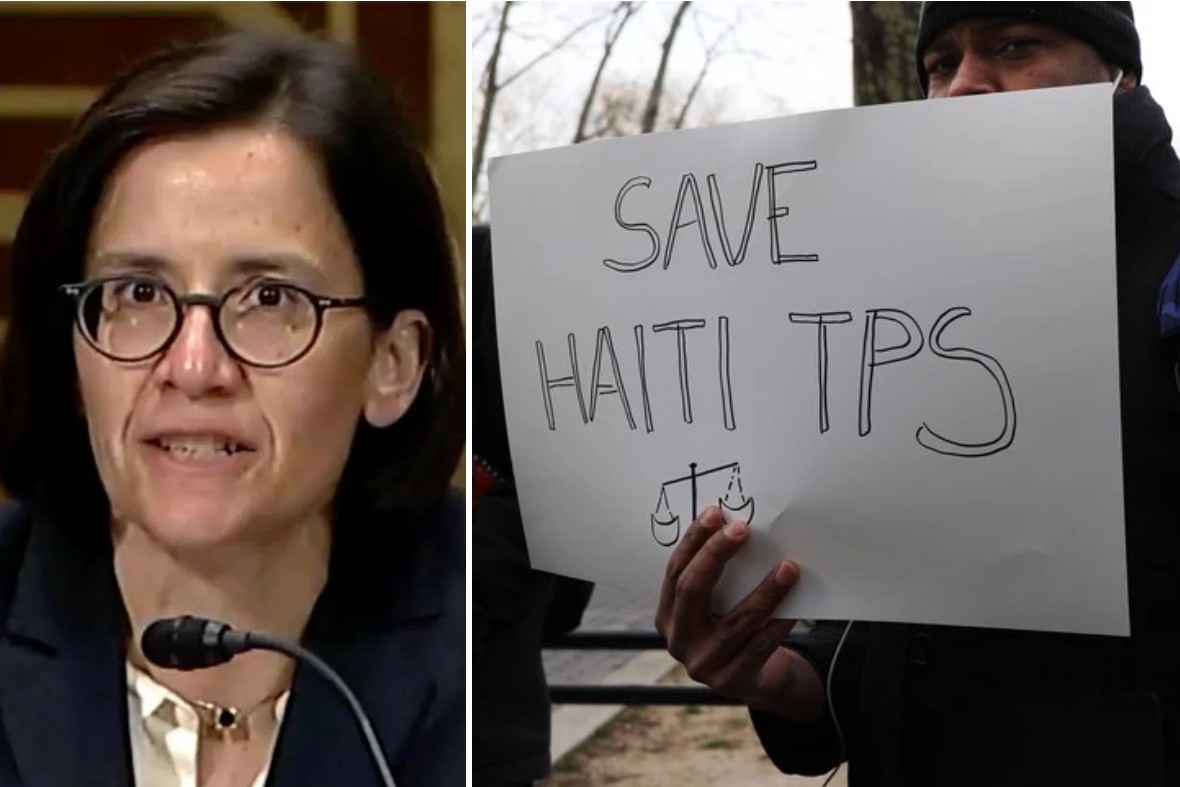
Judge Ana Reyes has taken a firm stance in upholding the Temporary Protected Status (TPS) for Haitians, a decision that has drawn significant attention. In a powerful denouncement, she revealed that she has been subjected to death threats following her ruling. The judge did not shy away from addressing the gravity of these threats, highlighting the personal risk involved in her judicial duties. This situation underscores the intense political and social climate surrounding immigration policies and their impact on vulnerable populations. The TPS designation allows individuals from designated countries, including Haiti, to reside and work in the United States for a specified period due to conditions that prevent their safe return. Judge Reyes's decision reflects a commitment to humanitarian principles and legal due process, even in the face of intimidation. Her courage in speaking out against the threats aims to set a precedent for judicial independence and the protection of those who rely on such legal safeguards. The case brings to light the broader challenges faced by judges who make decisions affecting significant populations and the potential for backlash.
Judge Ana Reyes's defense of the Temporary Protected Status (TPS) for Haitians, coupled with her public denouncement of death threats, highlights the critical intersection of judicial independence, immigration policy, and public safety. The threats suggest that the ruling has ignited strong opposition, potentially from actors who perceive a negative impact from the TPS extension. This situation warrants an examination of the governance structures surrounding judicial appointments and the security protocols in place for judges presiding over high-stakes cases. In the context of evolving global migration patterns and increasing political polarization, such events underscore the need for robust legal frameworks that protect both the integrity of the judiciary and the rights of individuals seeking refuge or protection. The long-term implications involve ensuring that the rule of law remains paramount, even when faced with intimidation, thereby fostering trust in the legal system for both domestic and international stakeholders.
AI-generated to prompt reflection — not editorial opinion, not advice, not a statement of fact. How this works.