Haitians Face Uncertainty as Deportation Protections Expire
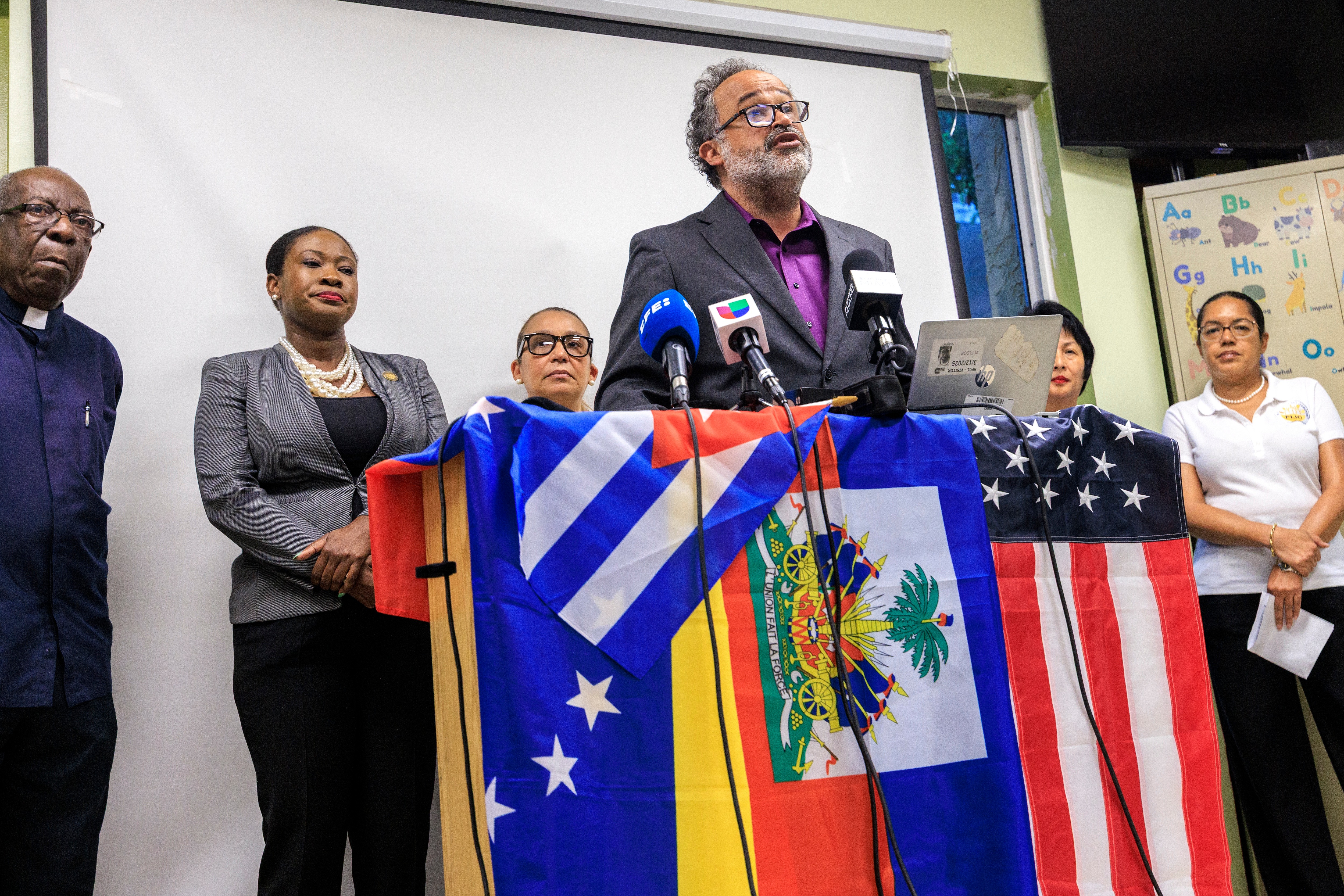
Haitians in the U.S. are experiencing fear and uncertainty as temporary deportation protections are set to end. Many, like Uthy, who pursued medical education in Haiti for seven years, fled their home country seeking safety and a chance to return when conditions improve. Uthy arrived in the U.S. three years ago with her husband and young child, holding onto the hope of eventually returning to Haiti. The expiration of these protections leaves individuals like Uthy in a precarious situation, facing the potential of deportation back to a country they fled due to safety concerns. This situation highlights the broader challenges faced by immigrants whose temporary status is nearing its end, particularly when their home countries remain unstable. The lack of clear pathways for long-term residency or safe return creates significant anxiety for these individuals and families.
The expiration of deportation protections for Haitian nationals in the U.S. presents a complex challenge at the intersection of immigration policy, humanitarian concerns, and geopolitical stability. This situation underscores the inherent tension between national sovereignty and the international responsibility to protect individuals fleeing unsafe conditions. As temporary measures lapse, the U.S. faces a policy decision that will impact thousands, balancing domestic resource allocation and legal frameworks against the potential human cost of repatriation. The long-term implications involve assessing the evolving conditions in Haiti and the U.S.'s role in regional stability, while also considering the economic and social contributions of the affected population to American society. This scenario prompts a broader discussion on sustainable immigration solutions that address root causes of displacement and provide predictable pathways for integration or safe return.
AI-generated to prompt reflection — not editorial opinion, not advice, not a statement of fact. How this works.