Halleluya Festival 2026 in Fortaleza: Schedule for Day Three Announced
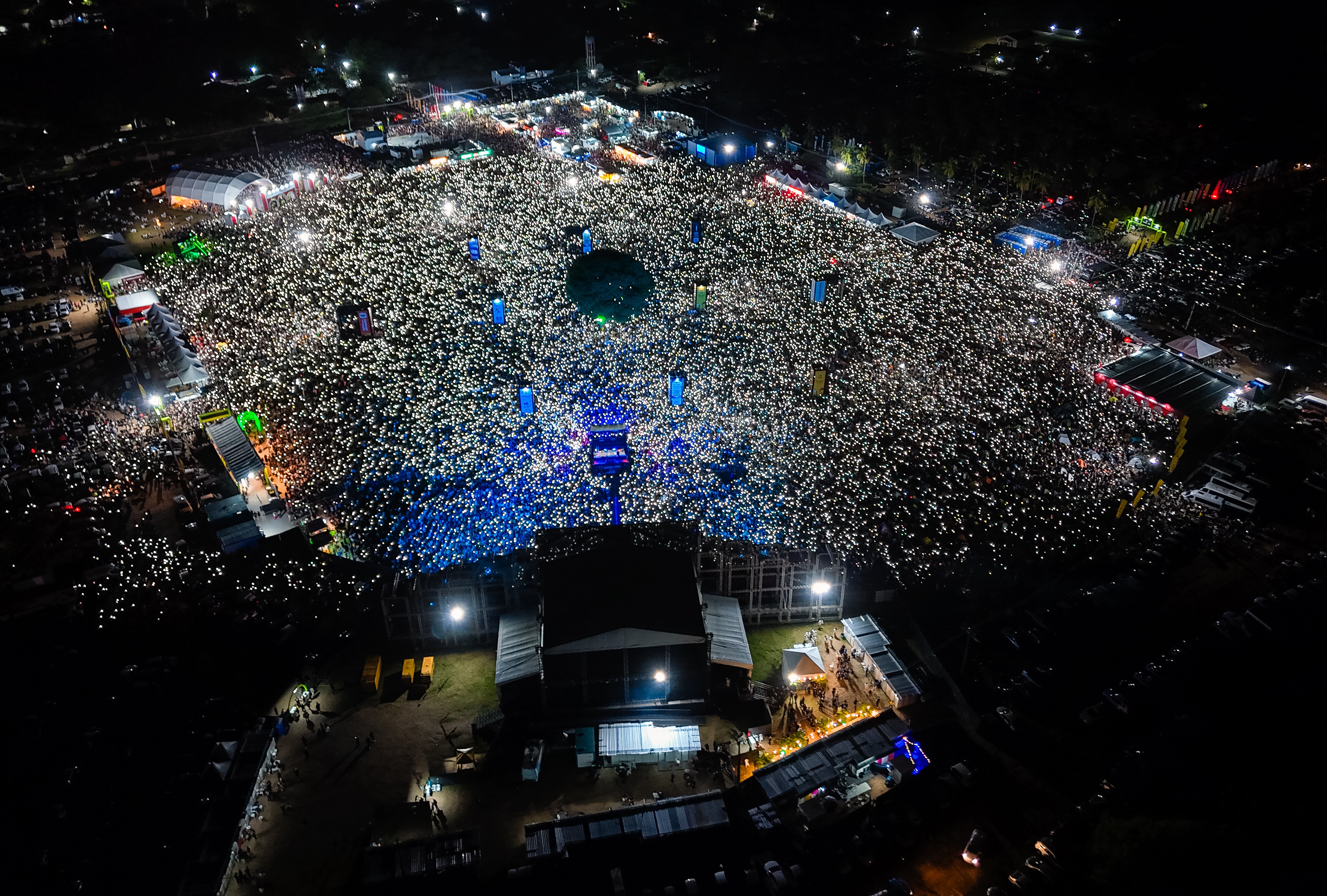
The Halleluya Festival 2026, a free event celebrating Catholic music, commenced on Wednesday, July 22nd, and will continue through Sunday, July 26th, at the Condomínio Espiritual Uirapuru (CEU) in Fortaleza. The festival has already welcomed thousands of attendees over its initial days. Friday, July 24th, the third day of the event, features performances by Suely Façanha, Adriana Arydes, Ir. Kelly Patrícia, Pe. Fábio de Melo, and Fraternidade São João Paulo II. Future performances will include notable artists like Frei Gilson and Padre Marcelo Rossi. This year's theme is "A bigger and better Halleluya!" with significant infrastructure and mobility improvements. The Arena Halleluya has been expanded from 60,000 to 90,000 square meters. A new 3,000 square meter "City of Peace" lounge offers improved stage and audience visibility. The festival introduces a five-day "Gamer Arena" with digital football championships and a dedicated space for geek culture, an expansion from two days last year. The "Mercy Space" has also been relocated and enhanced. The former "Cultural Arena" is now permanently the "Gamer Immersion" space, featuring interactive experiences and the new "Halleluya Podcast." The podcast will host Shalom Catholic Community founder Moysés Azevedo and a guest bishop daily for discussions on evangelization, youth, the church, and contemporary challenges. Traditional spaces like the Adventure and Street stages, Halleluya Kids, Expo Halleluya, and the Mercy Space remain integral to the programming.
The Halleluya Festival 2026 exemplifies a growing trend of large-scale, faith-based events leveraging expanded infrastructure and diverse programming, including gaming and geek culture, to attract younger demographics. This strategic integration of secular youth interests alongside religious themes suggests an evolving approach to evangelization and community building in the digital age. The significant expansion of the festival grounds and the introduction of dedicated gaming and podcasting spaces indicate a deliberate effort to enhance attendee engagement and broaden the event's appeal beyond traditional religious gatherings. This model, while effective in mobilizing large numbers, raises questions about resource allocation and the long-term sustainability of such ambitious physical and digital integrations within a faith-based framework, particularly as digital content consumption patterns continue to shift.
AI-generated to prompt reflection — not editorial opinion, not advice, not a statement of fact. How this works.