Halleluya Festival 2026 Kicks Off in Fortaleza with Expanded Offerings
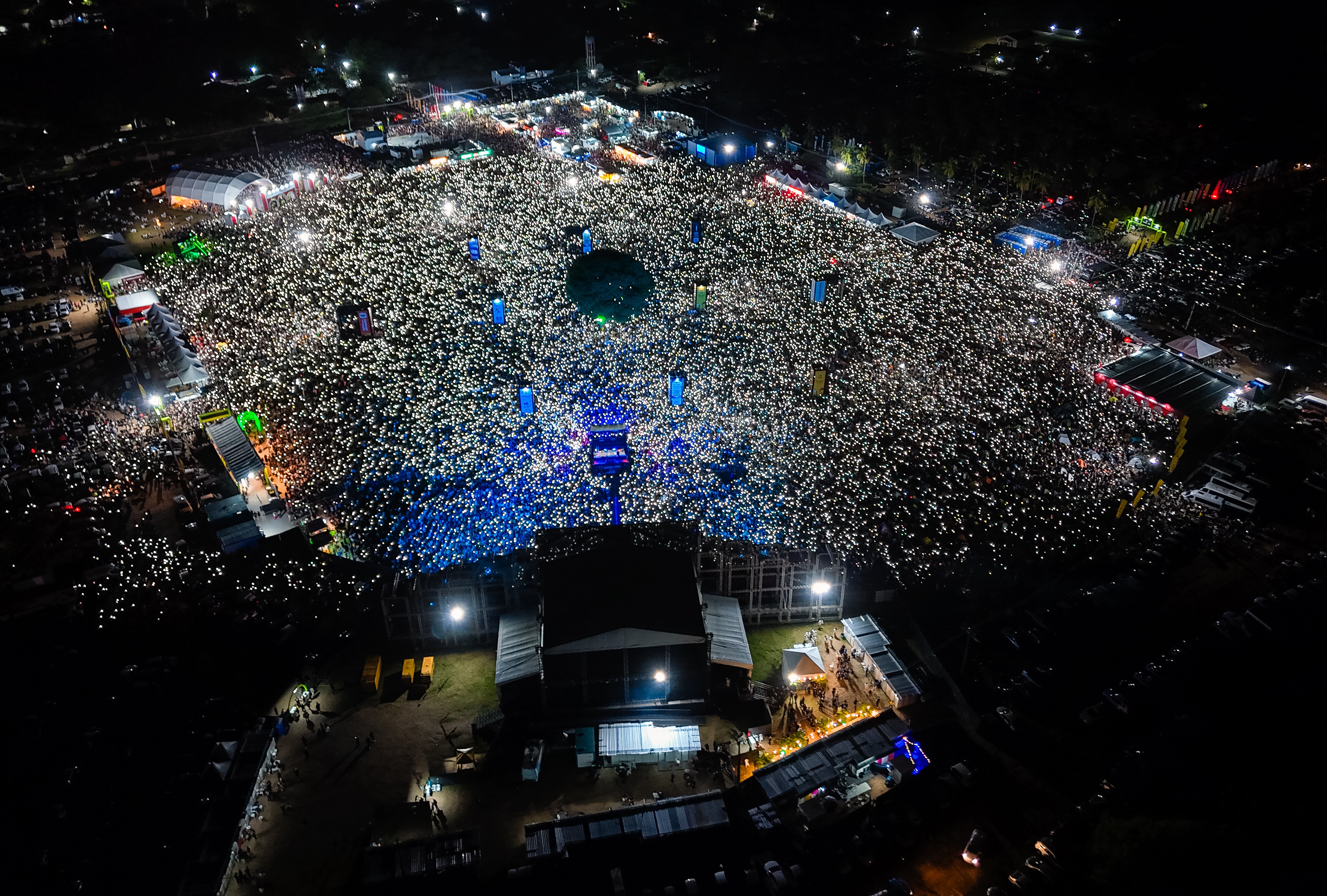
The Halleluya Festival 2026 commenced on Wednesday, October 22nd, at the Condomínio Espiritual Uirapuru (CEU) in Fortaleza, Brazil. This free event, celebrating Catholic music, will continue until Sunday, October 26th, under the theme "A Halleluya even bigger and better!". The festival features an expanded structure and anticipates a record audience this year. Thursday, October 23rd, includes performances by Laura Salvador, Adoração e Vida, Eliana Ribeiro, and Rosa de Saron, among other attractions. Future days will feature artists like Frei Gilson, Padre Marcelo Rossi, and Padre Fábio de Melo. Significant infrastructure improvements include the expansion of the Arena Halleluya from 60,000 to 90,000 square meters. A new 3,000 square meter lounge, "Cidade da Paz," offers enhanced stage visibility. The "Imersão Gamer" (Gamer Immersion) zone, dedicated to geek culture and digital sports, has been expanded to five days from two last year, and includes tournaments and interactive experiences for young attendees. The Espaço da Misericórdia (Mercy Space) has also been relocated and enhanced. New to this edition is the Halleluya Podcast, hosted within the Gamer Immersion zone, featuring the founder of the Shalom Catholic Community, Moysés Azevedo, and guest bishops discussing evangelization and contemporary challenges.
The Halleluya Festival 2026's expansion, particularly the growth of its "Imersão Gamer" zone and overall arena size, reflects a strategic adaptation to evolving audience engagement trends, integrating digital culture with traditional religious outreach. This diversification aims to broaden appeal, especially among younger demographics, by leveraging popular youth interests like gaming and podcasts. The festival's organizational emphasis on enhanced infrastructure and mobility suggests a focus on scalability and attendee experience, crucial for managing larger crowds and maintaining event quality. As digital platforms become increasingly central to community building and information dissemination, the festival's inclusion of a podcast featuring community leaders and bishops indicates a forward-looking approach to evangelization in the digital age, seeking to foster dialogue and connection beyond the physical event space.
AI-generated to prompt reflection — not editorial opinion, not advice, not a statement of fact. How this works.