Hallucinogenic Cactus Compound May Alter Brain's Sensory Filtering
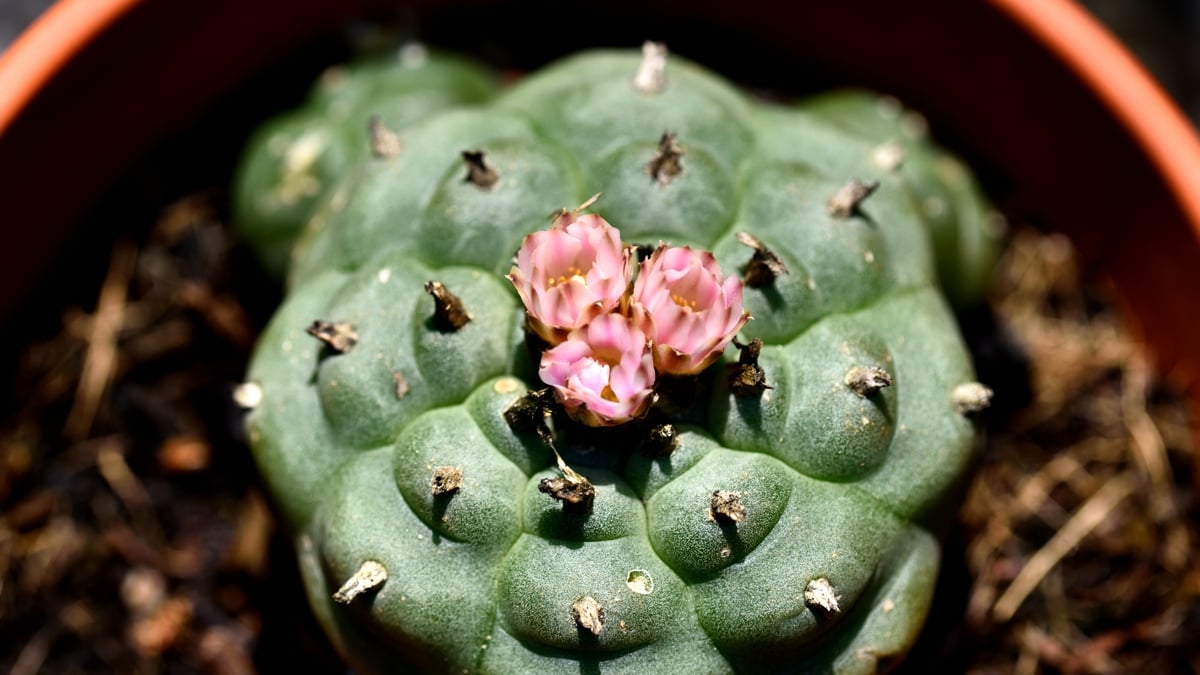
A compound found in cacti has been identified as potentially rewiring the brain's sensory filter, offering a plausible mechanism for altered bodily awareness and perception. This discovery sheds light on how certain substances can profoundly affect our experience of reality. The research suggests that these compounds interact with neural pathways responsible for processing sensory information. By altering these pathways, the brain's usual filtering of external stimuli is disrupted. This disruption can lead to novel perceptual experiences, including changes in self-awareness and the perception of the external world. The findings represent a significant step in understanding the neurobiological basis of consciousness and altered states of perception. Further research is expected to explore the specific molecular targets and downstream effects of this compound. The implications could extend to therapeutic applications for conditions involving sensory processing disorders.
This research into the neurobiological effects of hallucinogenic compounds from cacti offers a scientific lens on altered states of consciousness. By focusing on the "sensory filter" mechanism, the study moves beyond anecdotal descriptions to propose a concrete biological pathway. Understanding how these compounds interact with the brain's processing systems could illuminate the fundamental architecture of perception. This knowledge may have future implications for neurological treatments, but careful consideration of ethical frameworks and potential misuse will be paramount as research progresses. The long-term societal impact of understanding and potentially manipulating sensory perception warrants ongoing discussion regarding mental well-being and individual autonomy.
AI-generated to prompt reflection — not editorial opinion, not advice, not a statement of fact. How this works.