Hamas Agrees to Preliminary Disarmament Plan, Potentially Paving Way for Gaza Peace
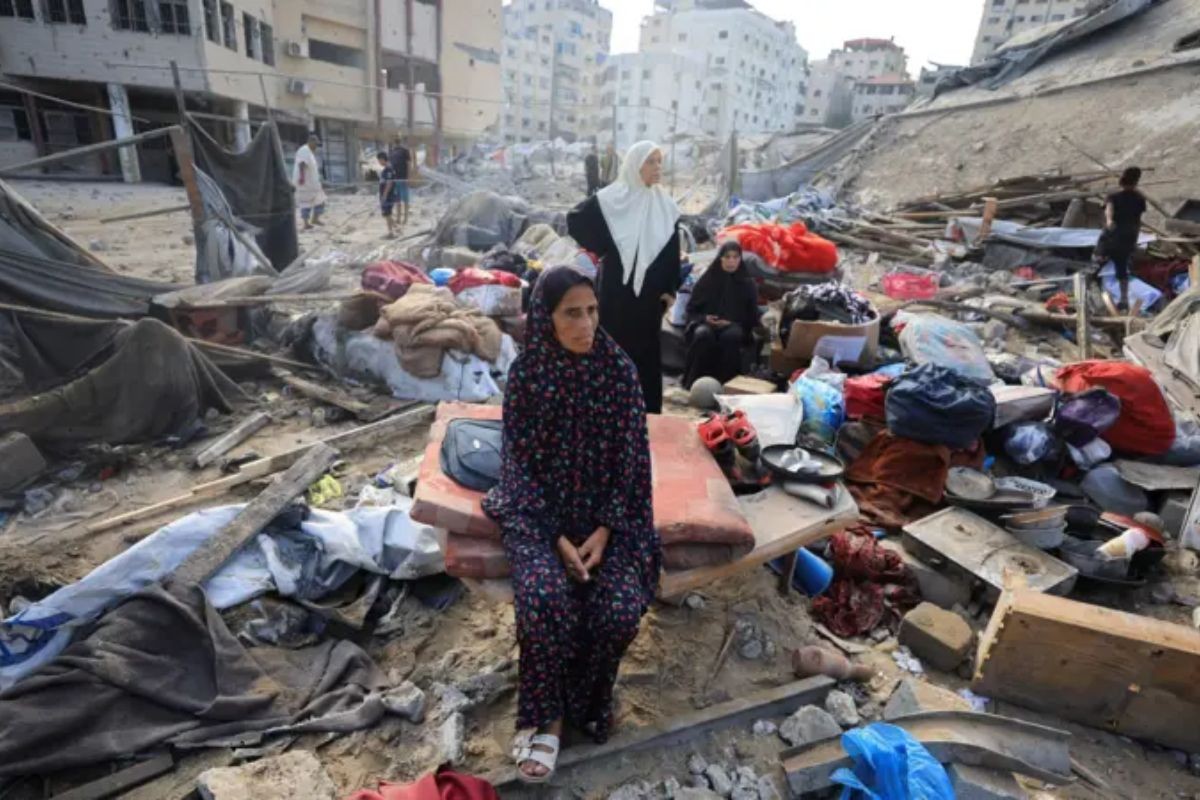
Hamas has, for the first time, agreed to a preliminary version of a peace plan that includes its "complete disarmament" and that of other armed groups in Gaza. This plan, developed by the Peace Council under former U.S. President Donald Trump, proposes an inventory and storage of heavy weapons under Palestinian supervision, aiming to remove a significant obstacle to peace efforts in the region. The decision follows Hamas's election of a new leadership, with Khalil al-Hayya now heading the movement, replacing Yahya Sinwar who was killed in October 2024. Palestinian officials believe the new leadership's willingness to make this critical political decision is driven by the dire humanitarian conditions affecting over 2 million Palestinians in Gaza. A senior Hamas official described the negotiations as "long and extremely difficult," emphasizing Hamas's insistence on "inventory and storage of weapons" under Palestinian oversight rather than direct handover to Israel. The plan outlines a phased process linking Hamas's disarmament with a gradual Israeli military withdrawal and the establishment of a new transitional Palestinian authority, supported by an international stabilization force. U.S. officials noted the plan's mutual distrust mechanisms, where progress depends on reciprocal commitment. Smaller groups would be disarmed first, followed by Hamas dismantling its military infrastructure, a process expected to take considerable time. Trump stated on Truth Social that this agreement is a milestone for his "20-Point Plan," with Israeli forces withdrawing as disarmament progresses and an international force working with a new Palestinian police force to ensure security. Mediators from Egypt, Qatar, and Turkey were thanked for their involvement, and Cairo is set to host a meeting on the second phase of a ceasefire plan.
This development presents a potential shift in the Gaza conflict, moving from prolonged hostilities towards a structured process for demilitarization and political transition. The plan's phased approach, contingent on reciprocal actions by both Hamas and Israel, aims to mitigate risks inherent in disarmament negotiations. The emphasis on Palestinian supervision of weapons storage, rather than direct Israeli control, addresses a key demand of Hamas, potentially fostering buy-in. However, the deep-seated mistrust among the involved parties, exacerbated by years of failed agreements, casts a shadow of skepticism over the likelihood of full implementation. The long-term success will hinge not only on the adherence to the phased roadmap but also on the establishment of a credible and effective transitional Palestinian authority capable of maintaining security and governance, a challenge that has historically proven difficult. The plan's integration with broader political objectives and the prospect of lasting relief for the civilian population remain critical factors for its ultimate impact.
AI-generated to prompt reflection — not editorial opinion, not advice, not a statement of fact. How this works.