Hamas Dissolves Gaza Administrative Body, Omits Disarmament; Peace Prospects Uncertain
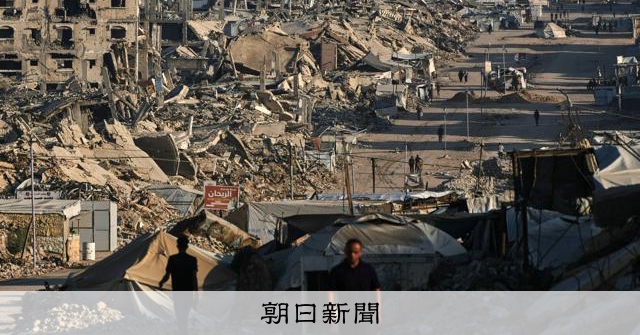
Hamas has announced the dissolution of its administrative committee in Gaza. This move comes as part of an effort to unify Palestinian governance, potentially paving the way for reconciliation with the Palestinian Authority (PA). However, the announcement notably did not address the issue of Hamas's armed wing or disarmament, a key sticking point in previous reconciliation attempts. The dissolution is seen as a significant step towards ending the decade-long political and geographical split between Gaza and the West Bank. Hamas stated that the committee's functions would be handed over to the Palestinian government. This development is being closely watched for its potential impact on peace efforts in the region. The international community has long called for Palestinian unity as a prerequisite for meaningful peace negotiations with Israel. The PA has previously insisted that any unified Palestinian government must recognize Israel, abide by previous agreements, and renounce violence. The extent to which Hamas is willing to compromise on these issues remains unclear, despite the administrative changes. The future implications for regional stability and the broader Israeli-Palestinian conflict are yet to be determined.
Hamas's dissolution of its administrative committee in Gaza represents a strategic maneuver aimed at fostering Palestinian political unity, a critical factor for advancing regional peace initiatives. By ceding administrative control, Hamas signals a potential willingness to integrate into a broader Palestinian governance structure. However, the omission of any mention of disarmament raises significant questions about the long-term viability of reconciliation and the potential for future conflict. This development highlights the enduring tension between political integration and the maintenance of armed capabilities within Palestinian factions. The international community's response will likely hinge on whether this administrative shift translates into substantive policy changes regarding security and recognition of prior agreements, particularly concerning Israel's security concerns. The next decade's geopolitical landscape, increasingly shaped by evolving regional alliances and the impact of technological advancements on conflict dynamics, will test the adaptability and genuine intent behind such political realignments.
AI-generated to prompt reflection — not editorial opinion, not advice, not a statement of fact. How this works.