Hamas Dissolves Gaza Governing Body, Ceasefire Talks Remain Stalled
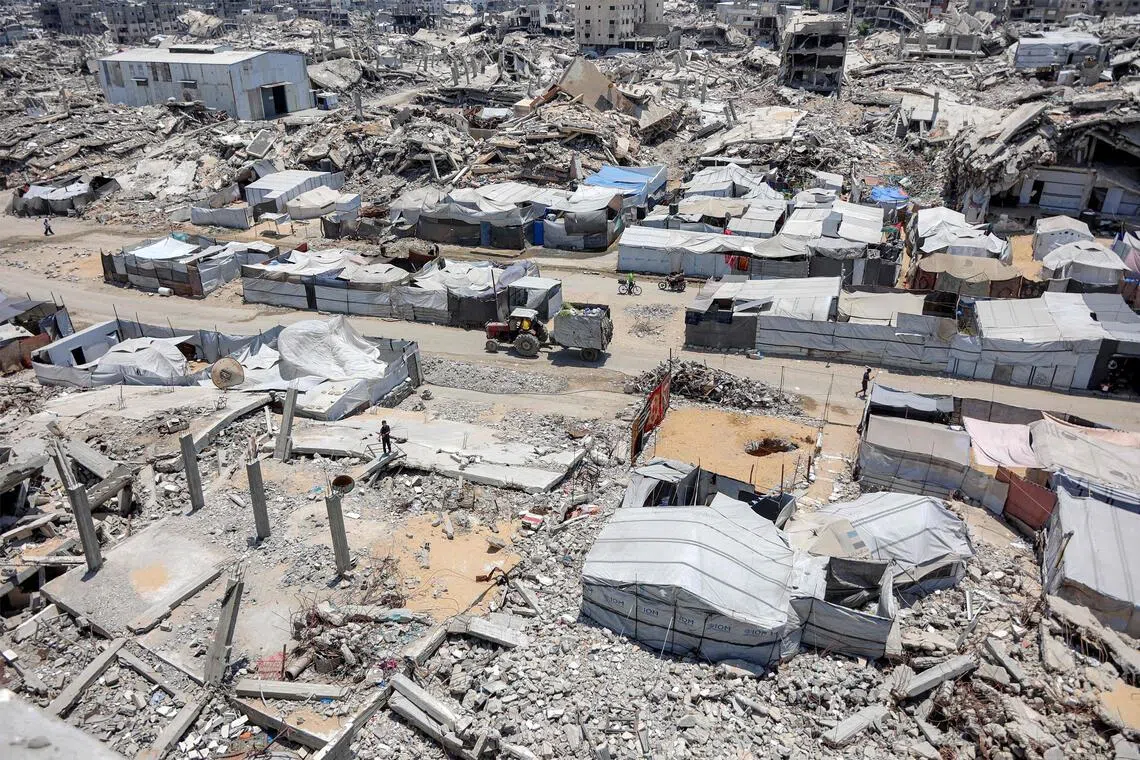
Hamas has announced the dissolution of its governing body in Gaza, a move that experts suggest does not address the core obstacle to a ceasefire: the presence of Hamas' weapons. This decision comes amid ongoing efforts to broker a lasting peace in the region. The future governance and security arrangements for Gaza remain uncertain following this development. The international community continues to seek a resolution to the protracted conflict, with a focus on de-escalation and humanitarian aid. However, the fundamental issue of disarmament presents a significant challenge to achieving a stable ceasefire. The implications of Hamas' move for future negotiations and the potential for a two-state solution are yet to be fully understood. Regional powers and international mediators are closely observing the situation, hoping for progress towards a peaceful settlement. The humanitarian crisis in Gaza persists, underscoring the urgency of finding a path forward.
The dissolution of Hamas' governing body in Gaza, while a procedural shift, does not fundamentally alter the geopolitical stalemate. The core issue remains the disarmament of Hamas, a precondition for many potential peace frameworks and a significant hurdle for Israeli security considerations. This move may be an attempt to present a new negotiating posture or to address internal Palestinian political dynamics. However, without a clear commitment to relinquishing armed capabilities, the prospects for a durable ceasefire and meaningful progress toward a long-term resolution are unlikely to improve significantly. Future strategies will likely need to address the complex interplay between Palestinian political legitimacy, security guarantees, and the humanitarian needs of Gaza's population within the broader context of regional stability.
AI-generated to prompt reflection — not editorial opinion, not advice, not a statement of fact. How this works.