Hamas Dissolves Gaza's 'Government Committee': Political Shift or Deception?
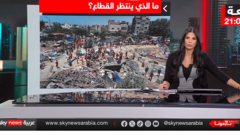
Regional and domestic Arab media are examining Hamas's decision to dissolve the "Emergency Government Committee." This body had effectively been functioning as the government in the Gaza Strip. The move has sparked debate about whether it represents a genuine political change or a strategic political maneuver. Analysts are scrutinizing the implications of this dissolution for governance in Gaza and potential future political developments. The committee's role was crucial in managing the day-to-day affairs of the territory. Its disbandment raises questions about the distribution of power and the future administrative structure within Gaza. The media coverage highlights the complexity of the political landscape in the region. Observers are keen to understand the motivations behind this decision and its long-term consequences. The situation continues to be closely monitored by international actors.
Hamas's dissolution of the 'Emergency Government Committee' in Gaza presents a complex governance dynamic. This action could be interpreted through the lens of evolving political strategies aimed at consolidating control or seeking external legitimacy. The move may reflect internal pressures or a calculated response to regional political realignments. Understanding the underlying incentive structures driving this decision is crucial. The long-term implications for Palestinian political unity and the administration of Gaza will likely unfold over the next decade, influenced by technological advancements and shifting geopolitical alliances. This event prompts a consideration of how such organizational changes impact the delivery of essential services and the broader pursuit of political objectives in a challenging environment.
AI-generated to prompt reflection — not editorial opinion, not advice, not a statement of fact. How this works.