Hamas Elects Khalil al-Hayya as New Head of Political Bureau
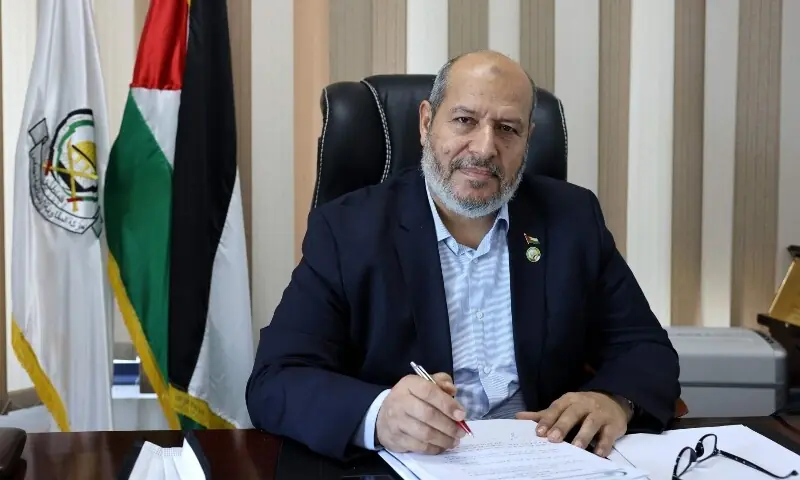
Hamas has announced the election of Khalil al-Hayya as the new head of its political bureau, succeeding Yahya al-Sinwar, who was killed by Israeli forces in Gaza a year after the October 7, 2023 attacks. Al-Hayya, born in 1960, is a veteran member of Hamas, having joined the group in 1987 and the Muslim Brotherhood in the early 1980s. He survived an Israeli assassination attempt in Doha last year, though one of his sons was killed. Al-Hayya defeated veteran leader Khaled Meshaal in the leadership contest, with a senior Hamas official stating he was elected by an overwhelming majority and is expected to formally assume the role next week. The group's political bureau is scheduled to meet in Istanbul soon to restructure its leadership bodies, dissolving the current five-member leadership council. The election process was described as complex and secretive due to security concerns and the assassination of leaders. Representatives of the Ezzedine Al-Qassam Brigades have expressed their full support for al-Hayya. Al-Hayya, originally from Gaza, has been involved in brokering truces with Israel, playing a role in ending conflicts in 2014 and recent efforts to end the current Gaza conflict. He previously served as Hamas's point person for ties with Arab and Islamic worlds from Qatar. He has experienced significant personal loss due to Israeli strikes in Gaza, including the death of his eldest son, his wife, and three grandchildren in 2014.
The election of Khalil al-Hayya as Hamas's political bureau chief signifies an internal leadership transition within the organization amidst ongoing conflict and security pressures. The process, described as secretive and complex, reflects the challenging operational environment faced by Hamas leadership. Al-Hayya's background, including his involvement in ceasefire negotiations and his extensive history with the movement, suggests a potential continuity in strategic approaches, particularly concerning engagement with Israel and regional actors. His reported ties to Iran and his role in mediating truces indicate a multifaceted approach to the group's objectives. The dissolution of the current leadership council and the formation of new committees point to an effort to consolidate and potentially reorient the group's governance structures in response to recent events and ongoing hostilities. The dynamics of this leadership change will likely influence Hamas's future diplomatic and operational strategies in the coming period.
AI-generated to prompt reflection — not editorial opinion, not advice, not a statement of fact. How this works.