Hamas Offers Weapons Surrender; Israel's Response Uncertain
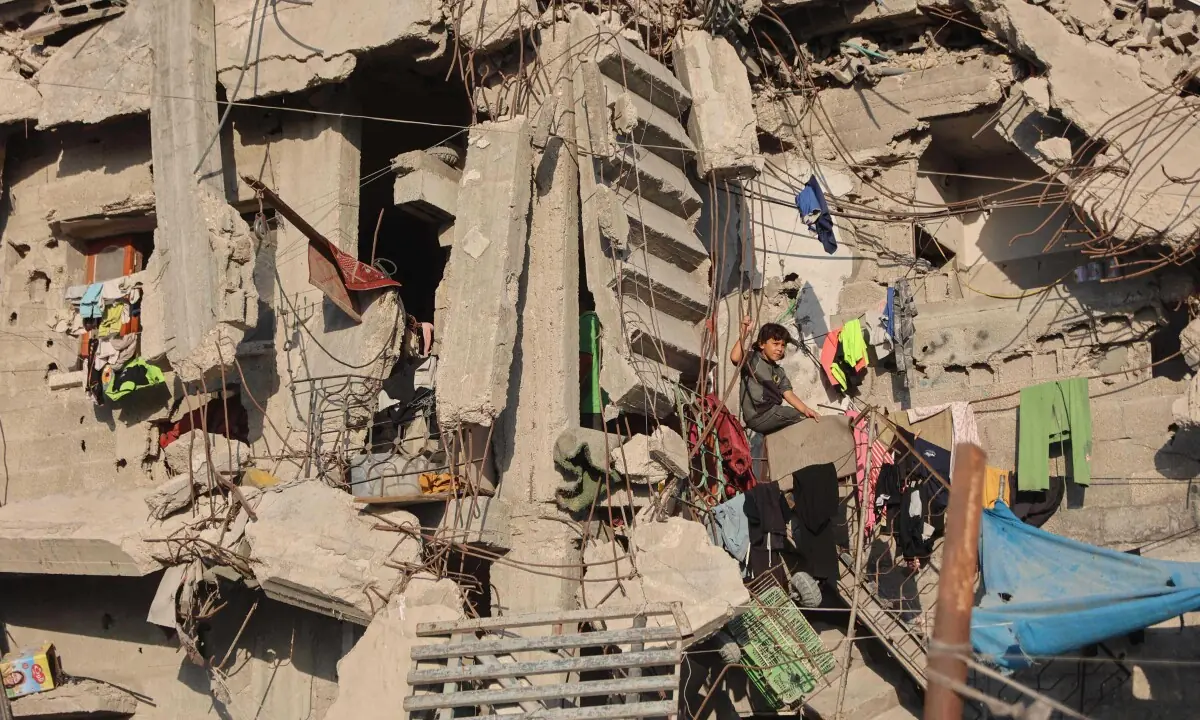
Palestinian resistance group Hamas has reportedly agreed to surrender its weapons as a significant concession, a move that includes its armed wing dedicated to Palestinian liberation. The weapons are slated to be handed over to the National Committee for the Administration of Gaza, a Palestinian technocratic body established under former US President Donald Trump's Board of Peace initiative. Hamas has presented this as a challenge to Israel, questioning whether the Israeli state will end its occupation of Gaza in return. Former President Trump expressed optimism, stating Israel was pleased with the development. However, as of the report's writing, Tel Aviv had not officially responded, though many Israeli politicians have criticized the move and called for Hamas's destruction. The article notes that Israel's adherence to such agreements is historically questionable, especially with Israeli elections scheduled for October and prevailing anti-Palestinian sentiment among voters. Nevertheless, Israeli Prime Minister Benjamin Netanyahu might be hesitant to alienate President Trump by appearing to undermine his Gaza peace plan. The report also cites extensive Palestinian casualties, including over 21,000 children, since October 7, 2023, and ongoing humanitarian crises in Gaza. It suggests that Hamas's continued armed struggle stems from Israel closing off peaceful resolution avenues, the proliferation of illegal settlements, and Gaza's pre-existing siege conditions. For a resolution, the article posits the need for a clear path to a Palestinian state, an end to Israeli actions against the Arab population, and a complete withdrawal from occupied territories. It urges Trump and his Board of Peace to pressure Israel to begin a withdrawal from Gaza and allow unimpeded humanitarian aid, warning that failure to do so would signal a commitment to occupation and the 'extermination of the Palestinian people.'
This development presents a complex geopolitical scenario where a significant concession from Hamas regarding its weaponry is met with Israeli political division and a lack of official commitment. The proposed transfer of arms to a technocratic body, facilitated by a former US administration's initiative, suggests an attempt to shift from armed conflict to political administration. However, the historical context of the Israeli-Palestinian conflict, marked by cycles of violence and unfulfilled agreements, casts doubt on the sustainability of this potential de-escalation. The article highlights the internal political pressures within Israel, including upcoming elections and public sentiment, as potential obstacles to reciprocal de-escalation or withdrawal. From a systemic perspective, the situation underscores the persistent challenge of resolving territorial disputes and achieving lasting peace when core issues like occupation, settlements, and the right to self-determination remain unresolved. The proposed path forward, emphasizing a Palestinian state and withdrawal from occupied territories, addresses fundamental grievances, but the political will and institutional mechanisms required for such transformative changes appear fragile amidst entrenched conflict dynamics and competing national interests. The long-term viability of any peace process will likely depend on addressing these foundational issues and fostering mutual trust, which is currently scarce.
AI-generated to prompt reflection — not editorial opinion, not advice, not a statement of fact. How this works.
