Hamas to Relinquish Gaza Strip Governance After Two Decades
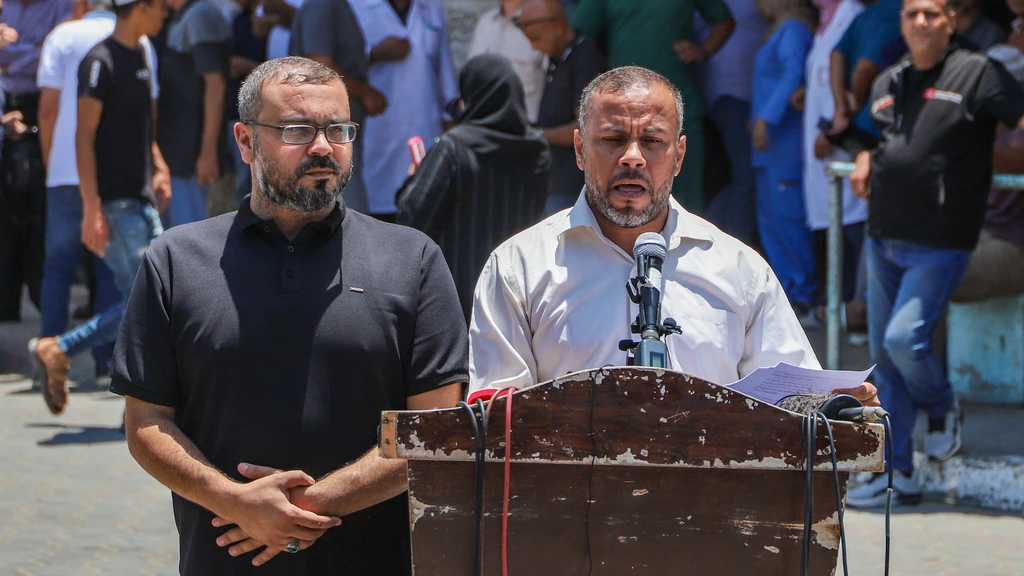
Hamas has announced its intention to dissolve the political body through which it has governed the Gaza Strip for nearly twenty years. The group stated it is prepared to transfer political leadership of Gaza to a team of technocrats, according to Reuters. The fate of Hamas's military wing and its weaponry remains unclear.
This move aligns with an agreement reached in October, reportedly facilitated by U.S. President Trump's administration, aiming to pave the way for a technocratic government composed of experts rather than political party members. This committee would operate under Trump's controversial Peace Council, as outlined in his peace plan. Hamas has indicated it will not relinquish its weapons as long as Israel maintains its presence in the Gaza Strip, with Israel currently occupying over 60 percent of the territory and seeking to expand its control to 70 percent.
Reconstruction efforts in Gaza are contingent on Hamas disarming, according to Jared Kushner, President Trump's son-in-law. Hamas views disarmament as capitulation and insists on its right to 'resistance' until a Palestinian state is established and the occupation ends. Hamas members who commit to peaceful coexistence and surrender their weapons may be granted amnesty under Trump's plan. Israel has not yet commented on Hamas's announcement, while Trump's Peace Council stated its assessment would be based on actions, not promises. For the residents of Gaza, immediate changes are unlikely, as Israeli military actions and the flow of aid remain critical issues, and Hamas's military activity continues.
Hamas's announcement to cede administrative control of the Gaza Strip to technocrats represents a strategic maneuver to shift the onus for governance and negotiation onto external actors and Israel. By proposing a technocratic body, Hamas may seek to project an image of pragmatism while retaining its military capabilities, which it frames as essential for resistance against occupation. This approach highlights a fundamental tension between political administration and armed struggle, a contradiction that complicates prospects for lasting peace and reconstruction. The efficacy of this transition hinges on Israel's response and the willingness of international bodies, including the U.S. administration, to engage with a framework that does not immediately address the disarmament issue, a stated prerequisite for reconstruction and normalization. The long-term implications will depend on whether this move genuinely alters the power dynamics or serves primarily as a tactical pause in a protracted conflict, potentially exacerbating the humanitarian situation if substantive progress on de-escalation and governance is not achieved.
AI-generated to prompt reflection — not editorial opinion, not advice, not a statement of fact. How this works.