Hamburg-Berlin High-Speed Rail Resumes 230 km/h Service
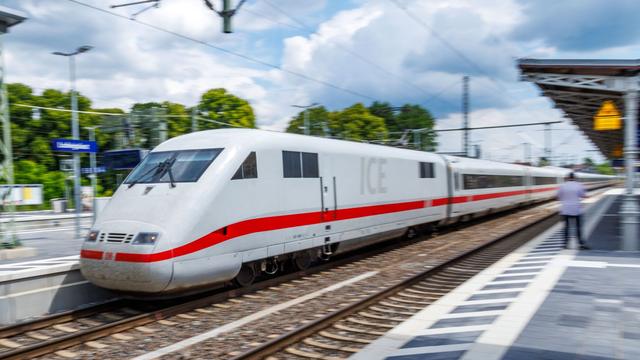
High-speed rail services between Hamburg and Berlin have resumed operations at their maximum speed of 230 kilometers per hour. This return to full speed indicates the resolution of previous issues that had necessitated a reduction in service velocity. The resumption of 230 km/h travel signifies a return to the expected efficiency and travel times for this key intercity route. Passengers can now anticipate the standard journey duration between these two major German cities. The specific reasons for the prior speed reduction were not detailed, but the successful restoration of the higher speed suggests effective technical or operational adjustments have been made. This route is a vital link in Germany's long-distance rail network, connecting two of its largest urban centers.
The restoration of 230 km/h service on the Hamburg-Berlin route signifies a successful resolution of operational or technical impediments that previously constrained train speeds. This event highlights the critical importance of maintaining infrastructure and operational integrity for high-speed rail networks, which are foundational to efficient national transportation systems. The ability to quickly diagnose and rectify issues affecting service velocity is a key performance indicator for rail operators, directly impacting passenger experience and economic productivity. Future considerations for such routes should include robust predictive maintenance strategies and contingency planning to minimize service disruptions, thereby reinforcing public trust and the long-term viability of high-speed rail as a sustainable transport solution.
AI-generated to prompt reflection — not editorial opinion, not advice, not a statement of fact. How this works.