Hamburg Fire Department Responds to Near-Constant Storm Emergencies
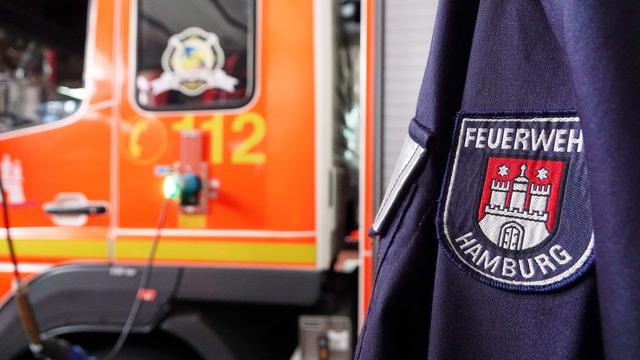
The Hamburg fire department experienced a surge in emergency calls due to severe weather, with operations occurring "almost every minute." The relentless downpour and strong winds led to numerous incidents across the city. Firefighters were dispatched to a wide range of situations, including flooded basements, fallen trees blocking roads, and damage to buildings. The sheer volume of calls placed a significant strain on the department's resources. Emergency services worked tirelessly throughout the event to address the widespread impact of the storm. The situation highlighted the vulnerability of urban infrastructure to extreme weather conditions. Authorities are assessing the full extent of the damage and the costs associated with the cleanup and repairs. Residents were advised to exercise caution and avoid unnecessary travel during the height of the storm.
The intense storm response in Hamburg underscores the increasing frequency and severity of extreme weather events, posing significant challenges to urban emergency services. This situation highlights the critical need for robust infrastructure resilience and adaptive emergency management strategies in the face of climate change. As meteorological patterns become more unpredictable, cities must invest in proactive measures, such as improved drainage systems and early warning protocols, to mitigate the impact of severe weather. The operational strain on the fire department also points to the importance of resource allocation and inter-agency coordination during widespread crises. Looking ahead, urban planning must integrate climate risk assessments to ensure long-term safety and sustainability.
AI-generated to prompt reflection — not editorial opinion, not advice, not a statement of fact. How this works.