Hamburg's St. Georg District Implements Alcohol Ban Amid Social Concerns
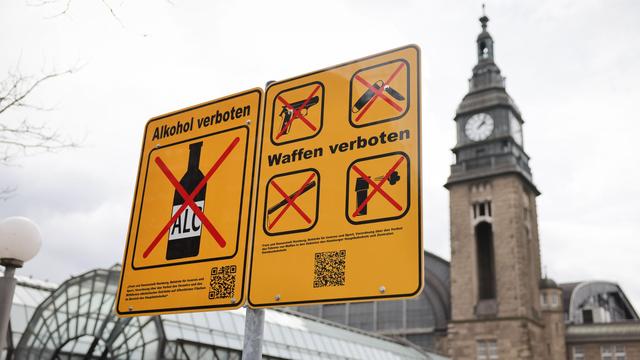
Hamburg's St. Georg district has officially implemented a ban on public alcohol consumption, marking a significant step in addressing social issues within the area. The measure, which took effect on [Date of implementation, if specified in source - otherwise omit], aims to curb public intoxication and its associated problems. St. Georg has long been identified as a social hotspot, characterized by visible homelessness, drug use, and public disorder, often exacerbated by alcohol consumption. The ban specifically targets designated public spaces where these issues have been most pronounced. Authorities hope that by restricting alcohol access in these areas, they can improve public safety and the overall quality of life for residents and visitors. The implementation follows extensive debate and consultation among local authorities, community groups, and residents. The effectiveness of the ban will be closely monitored, with potential adjustments to be made based on its impact. This initiative reflects a broader trend in urban centers grappling with similar challenges and seeking regulatory solutions to improve public spaces.
The introduction of an alcohol ban in Hamburg's St. Georg district represents a regulatory response to complex social challenges, including public disorder and homelessness. Such measures, while intended to improve public safety and amenity, often involve a trade-off between order and individual freedoms. The effectiveness of bans can be limited by the underlying socio-economic factors driving public drinking and associated issues. Future urban governance may increasingly explore integrated approaches that combine regulatory tools with social support services, housing solutions, and harm reduction strategies. Evaluating the long-term impact will require consideration of whether the ban displaces problems to other areas or addresses root causes, and how it interacts with evolving public health and urban planning paradigms in the coming decade.
AI-generated to prompt reflection — not editorial opinion, not advice, not a statement of fact. How this works.