Hamburg to vet public sector applicants for extremism
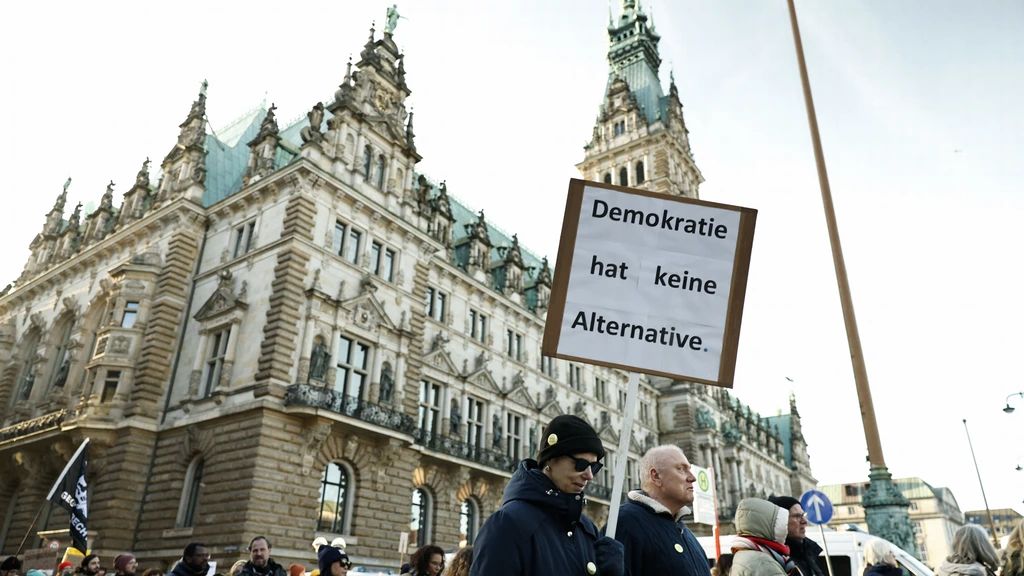
Hamburg has become the first German state to implement a mandatory extremism check for all applicants seeking public sector positions, including teachers, postal workers, and IT specialists. This new measure, effective immediately, aims to prevent individuals with extremist ideologies from entering public service. State Minister Andy Grote stated that those who reject the free democracy cannot work for a country founded on its principles, as any extremist in government undermines public trust and integrity. The screening targets individuals identified as 'extremist' by the Federal Office for the Protection of the Constitution (BfV), encompassing supporters of neo-Nazi parties, far-left groups, the PKK, and banned Islamic organizations. The AfD party, currently leading in polls and classified by the BfV as 'right-wing extremist' in some states, is also subject to scrutiny if its members apply for positions in Hamburg. The Hamburg AfD has criticized the policy as fostering a 'climate of distrust' and engaging in 'ideological espionage.'
This policy reflects a heightened concern within German governance regarding the potential infiltration of extremist ideologies into public institutions, particularly in light of contemporary geopolitical and domestic security challenges. By expanding background checks, Hamburg is attempting to proactively safeguard democratic institutions, drawing parallels to, yet differentiating itself from, historical measures like the 'Radical Decree.' The initiative navigates a delicate balance between national security imperatives and civil liberties, raising questions about the scope of 'extremism' and the potential for chilling effects on political dissent or activism. Future implications may involve broader national adoption, influencing employment practices across the public sector and potentially reshaping the political landscape, especially concerning parties like the AfD. The policy's long-term success will depend on its legal defensibility, its perceived fairness, and its ability to demonstrably enhance public trust without unduly restricting fundamental rights or deterring qualified candidates.
AI-generated to prompt reflection — not editorial opinion, not advice, not a statement of fact. How this works.