Hanoi to Pilot Sponge Concrete Made from Construction Waste
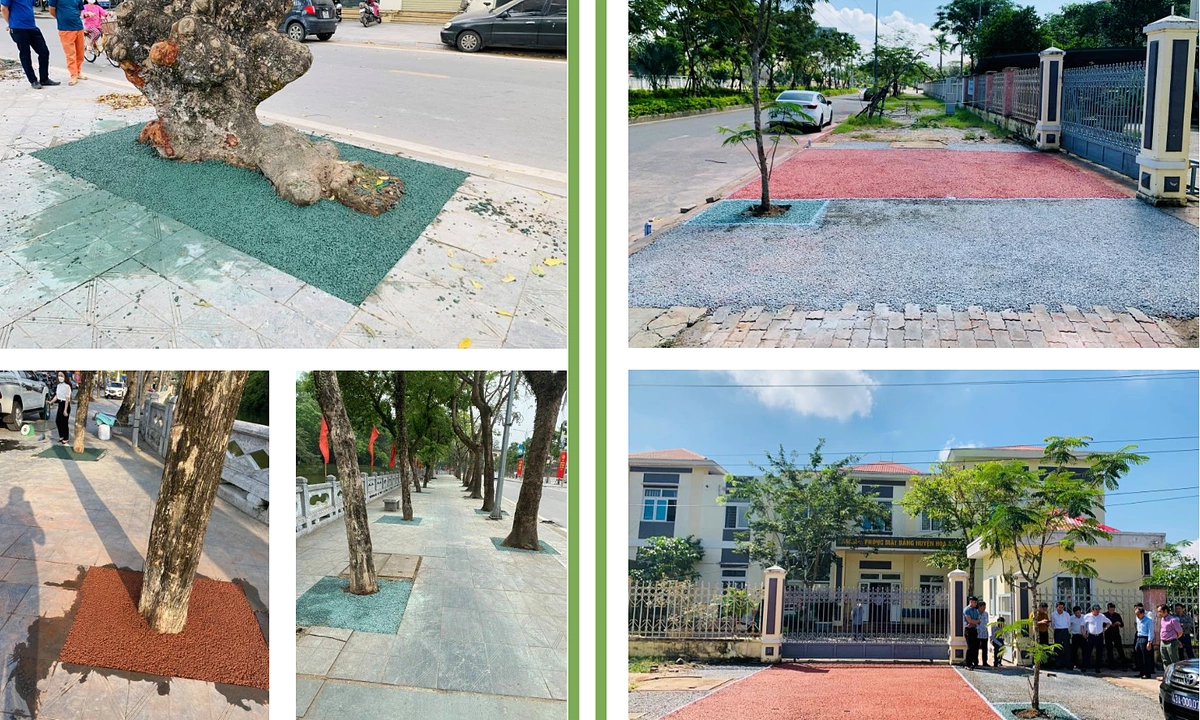
Hanoi is set to pilot a new type of "sponge concrete" made from construction waste on two streets in the near future. This innovative material is designed to be porous, allowing water to permeate through it. This characteristic is expected to help with urban flood mitigation by absorbing rainwater. Additionally, the porous nature of the concrete is anticipated to contribute to urban cooling, reducing the heat island effect in the city. The initiative aims to address pressing environmental challenges in Hanoi by repurposing waste materials into functional infrastructure.
This initiative represents a pragmatic approach to urban infrastructure development, addressing two significant challenges: waste management and climate resilience. By valorizing construction waste into permeable pavement, Hanoi can potentially reduce landfill burden and mitigate stormwater runoff, a common issue in rapidly urbanizing areas. The cooling effect of such materials could also offer a sustainable alternative to energy-intensive cooling systems. The success of this pilot will likely depend on the material's long-term durability, cost-effectiveness compared to traditional materials, and the scalability of its production. Future considerations should include the lifecycle impact of the materials and their integration into broader urban planning strategies for climate adaptation.
AI-generated to prompt reflection — not editorial opinion, not advice, not a statement of fact. How this works.