Hantavirus Outbreak on MS Hondius Cruise Ship Concluded, WHO Confirms
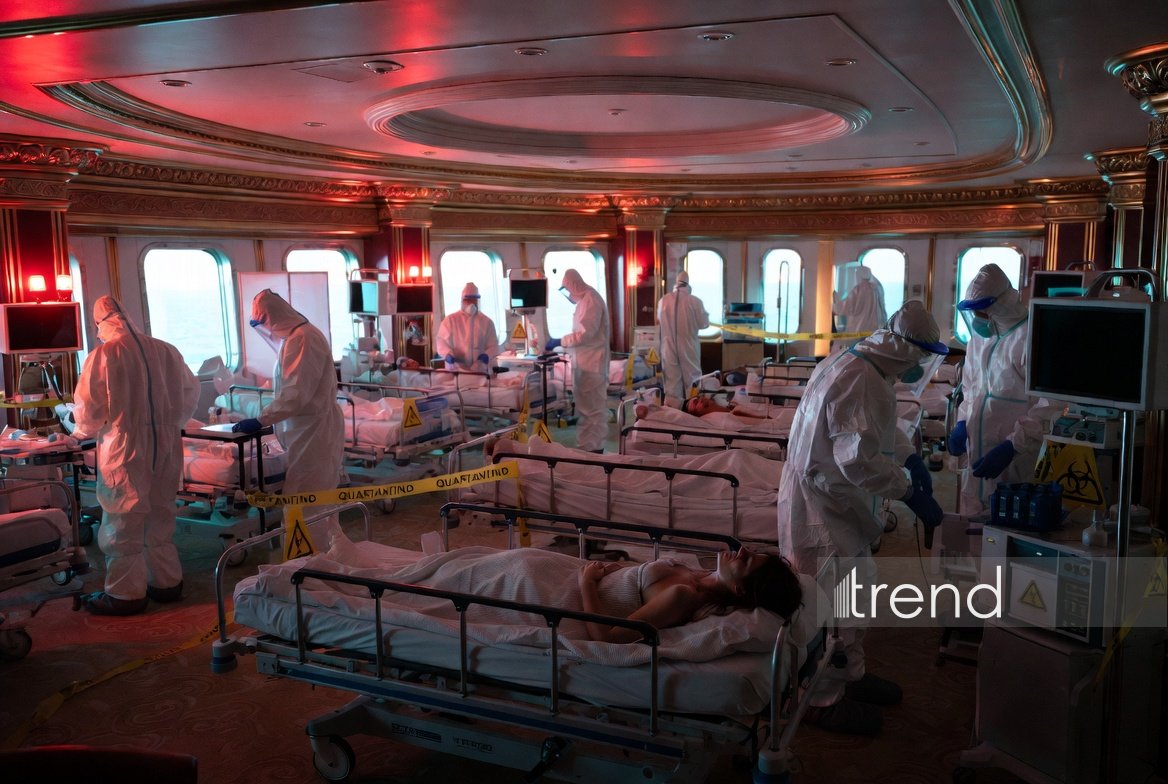
The World Health Organization (WHO) has declared the end of the hantavirus outbreak that occurred on the cruise ship MS Hondius. The outbreak has officially concluded, according to the WHO's announcement. Further details regarding the specific timeline of the outbreak or the number of cases were not provided in the initial report. The WHO's confirmation signifies that public health measures implemented have been deemed effective in containing the spread of the virus. The MS Hondius is a vessel known for its expeditions, often to remote and polar regions. Hantaviruses are a group of viruses spread primarily by rodents. While the specific strain and transmission route on the MS Hondius were not detailed, human infection typically occurs through inhalation of aerosolized virus particles from rodent excreta, or through bites from infected rodents. The WHO's declaration suggests that the risk of further transmission among passengers and crew has been mitigated. This conclusion by the WHO will likely allow the MS Hondius to resume its operations without ongoing public health concerns related to this specific outbreak. The organization will continue to monitor for any potential residual risks, as is standard protocol.
The conclusion of the hantavirus outbreak on the MS Hondius, as confirmed by the WHO, highlights the critical role of swift public health interventions in managing potential infectious disease threats in confined environments like cruise ships. This event underscores the importance of robust surveillance and rapid response protocols for zoonotic diseases, particularly in travel settings that may traverse ecologically sensitive areas. Future considerations for such voyages could involve enhanced pre-travel health screenings and ongoing environmental monitoring for rodent presence and activity, especially in regions where hantavirus is endemic. The incident also prompts reflection on the interconnectedness of global travel and public health, emphasizing the need for international cooperation and standardized health security measures across the maritime industry to mitigate the risk of disease transmission in an increasingly mobile world.
AI-generated to prompt reflection — not editorial opinion, not advice, not a statement of fact. How this works.