Hanumangarhi Controversy: Yogi Adityanath Recalls Iftar and Namaz Dispute
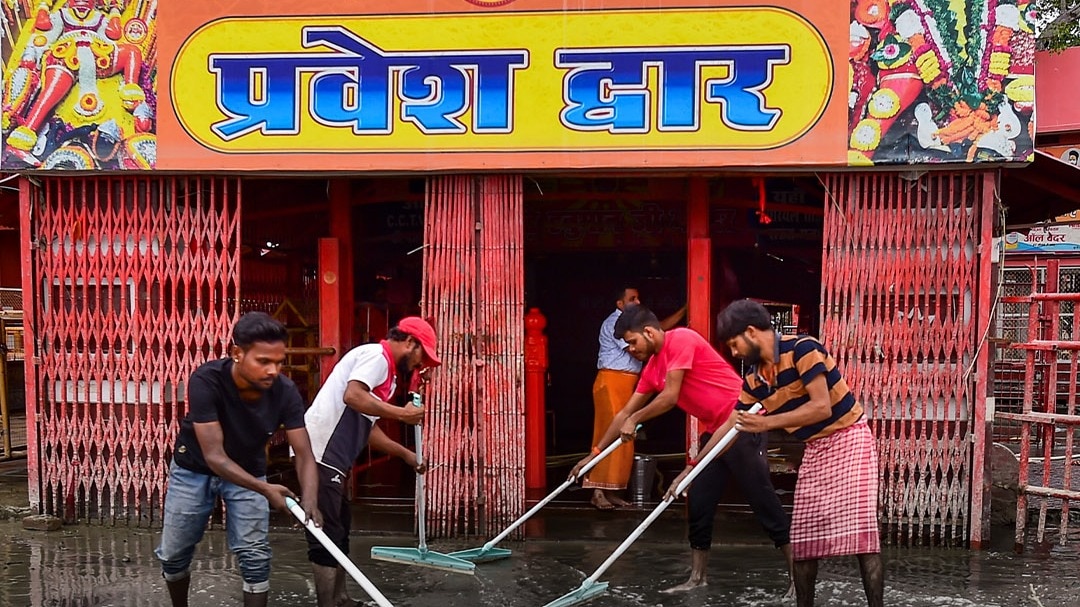
Uttar Pradesh Chief Minister Yogi Adityanath recently referenced an old controversy surrounding iftar and namaz at the Hanumangarhi temple during his visit to Ayodhya. This remark has brought the 2003 incident back into public discussion. The Chief Minister launched a sharp attack on the Congress and Samajwadi Party in connection with this matter. The original incident reportedly occurred in 2003, and the details of what transpired at Hanumangarhi at that time are now being revisited. The controversy involves the practice of offering prayers and iftar meals within the temple premises. This event has resurfaced due to Chief Minister Adityanath's comments, prompting a renewed examination of the historical context and the political reactions that followed.
Chief Minister Yogi Adityanath's invocation of the 2003 Hanumangarhi controversy, linking it to political opposition parties, highlights the strategic use of historical religious events in contemporary Indian politics. Such narratives often serve to consolidate a particular political base by framing past events through a lens of religious identity and perceived historical grievances. The resurfacing of this issue suggests a potential tactic to mobilize voter sentiment ahead of future political contests by drawing on established cultural and religious fault lines. This approach, while effective in galvanizing support among certain demographics, also risks exacerbating societal divisions and may distract from pressing governance and development agendas.
AI-generated to prompt reflection — not editorial opinion, not advice, not a statement of fact. How this works.