Hardenberg Asylum Seeker Center Closes After Decade, Last Residents Relocated
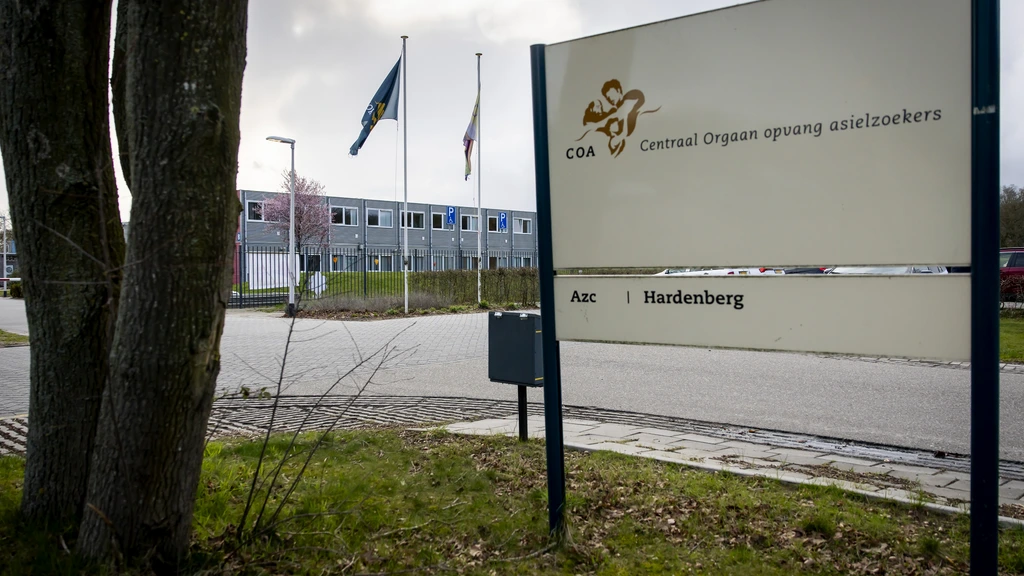
The last residents of the asylum seeker center (azc) in Hardenberg have been transferred to a new location, marking the definitive closure of the facility after more than ten years of operation. The center, located on Jachthuisweg, opened in 2016 with a planned ten-year duration and capacity for approximately 700 residents. Its closure was originally scheduled for March 8th, but the Central Agency for the Reception of Asylum Seekers (COA) kept it open due to a shortage of reception places nationwide. This extension led to significant dissatisfaction from the municipality, which imposed daily penalty payments on the COA. Initially, a daily fine of 55,000 euros, capped at 4.9 million euros, was levied, a limit reached in June. Subsequently, a new penalty of 64,000 euros per day for ninety days was imposed. The closure of the center also terminates these penalty payments, although the COA had initiated legal proceedings against them. Despite ongoing national capacity issues, the COA managed to find alternative accommodations for the residents in recent months. The agency plans to begin demolishing the buildings on the site by the end of August, after which the land will be returned to the municipality for development into a business park. A temporary emergency reception facility in the municipality had already closed in late March. The municipality of Hardenberg expressed satisfaction that the agreement to close the azc after ten years is now being honored. Regarding future obligations under the distribution law, which allows the national government to compel municipalities to house asylum seekers, alderman Andy de Vos indicated that Hardenberg is not yet considering such measures. The municipality will deliberate on future contributions to asylum seeker and refugee reception efforts in conjunction with national and provincial authorities once the current site is fully decommissioned.
The closure of the Hardenberg asylum seeker center concludes a decade-long operation, highlighting the challenges in managing reception capacity and municipal agreements. The imposition of significant daily fines by the municipality on the COA underscores the tension between local governance and national reception obligations, particularly when national shortages necessitate extended operations beyond initial agreements. This situation reflects broader systemic pressures on asylum reception infrastructure across the Netherlands. As the center is decommissioned and the land repurposed, the municipality's stance on future reception obligations, pending further discussions with national and provincial bodies, suggests a cautious approach to shared responsibility. This event prompts consideration of how long-term reception agreements can be structured to accommodate unforeseen national needs while respecting municipal planning and financial considerations, especially in light of evolving national policies like the distribution law.
AI-generated to prompt reflection — not editorial opinion, not advice, not a statement of fact. How this works.