Haridwar Temple Mandates Pocketless Kurtas for Priests to Boost Donation Transparency
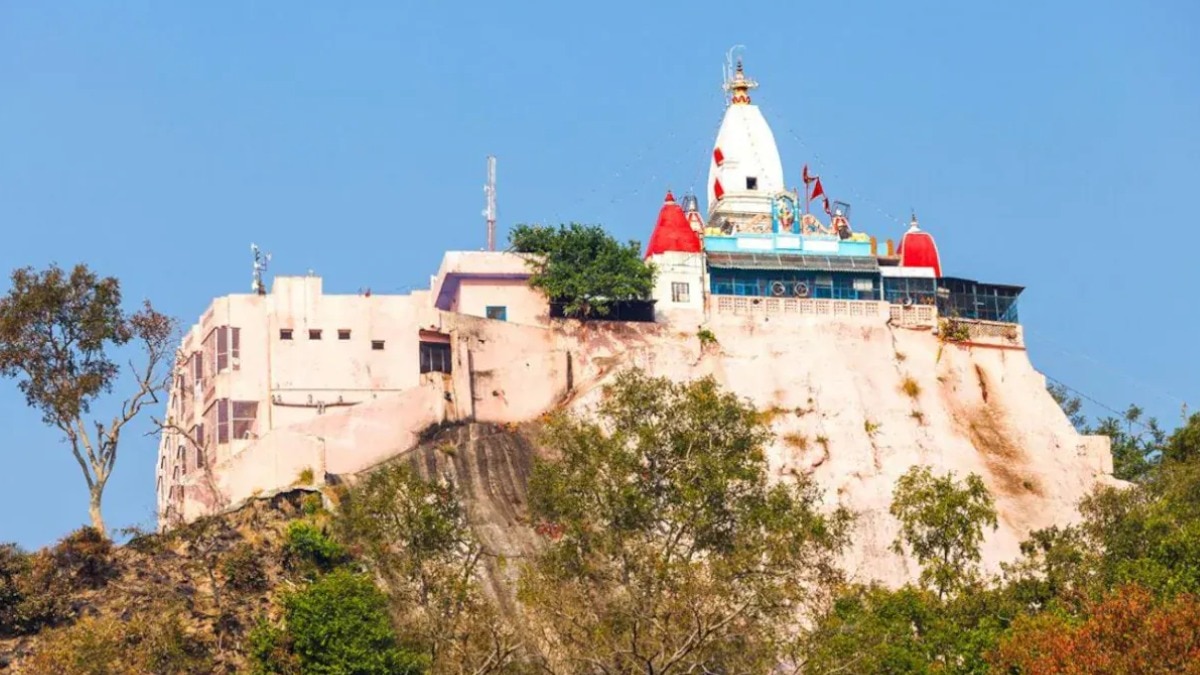
The famous Mansa Devi Temple in Haridwar has implemented a significant change aimed at increasing the transparency of donation handling. Effective immediately, priests serving at the temple will be required to wear kurtas without pockets. This measure is part of a broader initiative to enhance accountability in the management of offerings and donations received from devotees. To further strengthen oversight, a seven-member committee has been established to monitor all incoming donations and offerings. The temple trust stated that the primary objective of these new regulations is to bolster the trust of the pilgrims and ensure a more accountable system for managing the temple's finances. This decision reflects a commitment to ethical practices and improved financial governance within the religious institution.
This policy change at the Mansa Devi Temple directly addresses potential issues of financial impropriety by altering the physical means available to priests for handling cash. By mandating pocketless kurtas, the temple administration seeks to create a visible and auditable trail for all donations. The formation of a seven-member oversight committee further institutionalizes this transparency. Such measures, while seemingly simple, are crucial in religious institutions where public trust is paramount and financial stewardship directly impacts community faith. Looking ahead, this approach could inform best practices for financial accountability in other large public-facing organizations, particularly those handling significant voluntary contributions, by emphasizing procedural controls and visible governance structures.
AI-generated to prompt reflection — not editorial opinion, not advice, not a statement of fact. How this works.