Harishayani Ekadashi Begins: Tulsi Saplings Planted Today
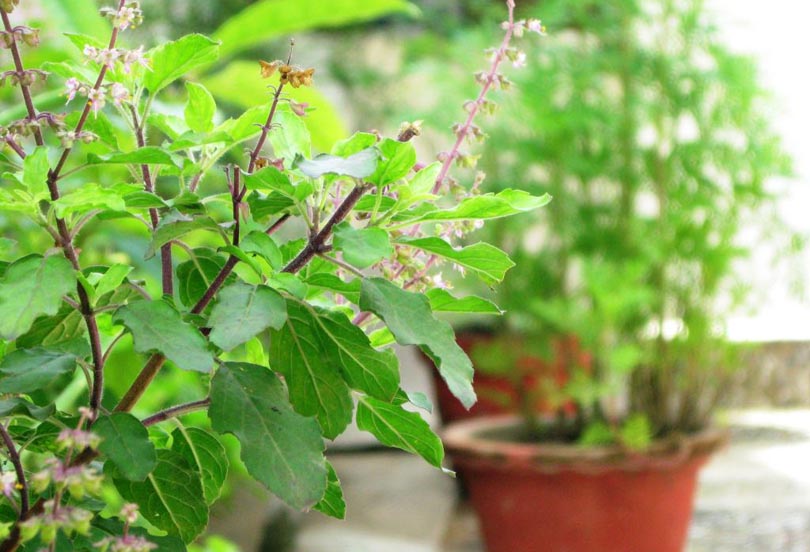
Today marks the beginning of Harishayani Ekadashi, a significant day in the Hindu calendar. This occasion initiates a four-month period of special worship dedicated to the Tulsi plant, observed in households across Nepal. According to the Sanatan Vedic tradition, the Tulsi plant is revered as a symbol of Lord Vishnu. The ritual involves transplanting Tulsi saplings into their designated pots, a practice that commenced a month prior on Jyeshtha Shukla Ekadashi. These saplings, which were initially placed in the Tulsi pots, are now being moved to their permanent spots. This period of devotion continues until Kartik Shukla Ekadashi, encompassing a significant part of the monsoon and autumn seasons. The observance highlights the deep-rooted spiritual connection and agricultural rhythms intertwined in Nepalese cultural practices.
The observance of Harishayani Ekadashi and the associated rituals surrounding the Tulsi plant reflect a deep integration of religious practices with seasonal cycles in Nepal. This tradition underscores the cultural significance of agriculture and nature worship, where the Tulsi plant, symbolizing divinity, is central to household spirituality. From a systemic perspective, such practices foster community cohesion and maintain cultural continuity across generations. Looking ahead, the longevity of these traditions will likely depend on their ability to adapt to evolving societal structures and the increasing influence of globalized culture, while continuing to provide a framework for spiritual and communal identity.
AI-generated to prompt reflection — not editorial opinion, not advice, not a statement of fact. How this works.