Harvard Astronomer Avi Loeb to Chair White House UFO Advisory Council
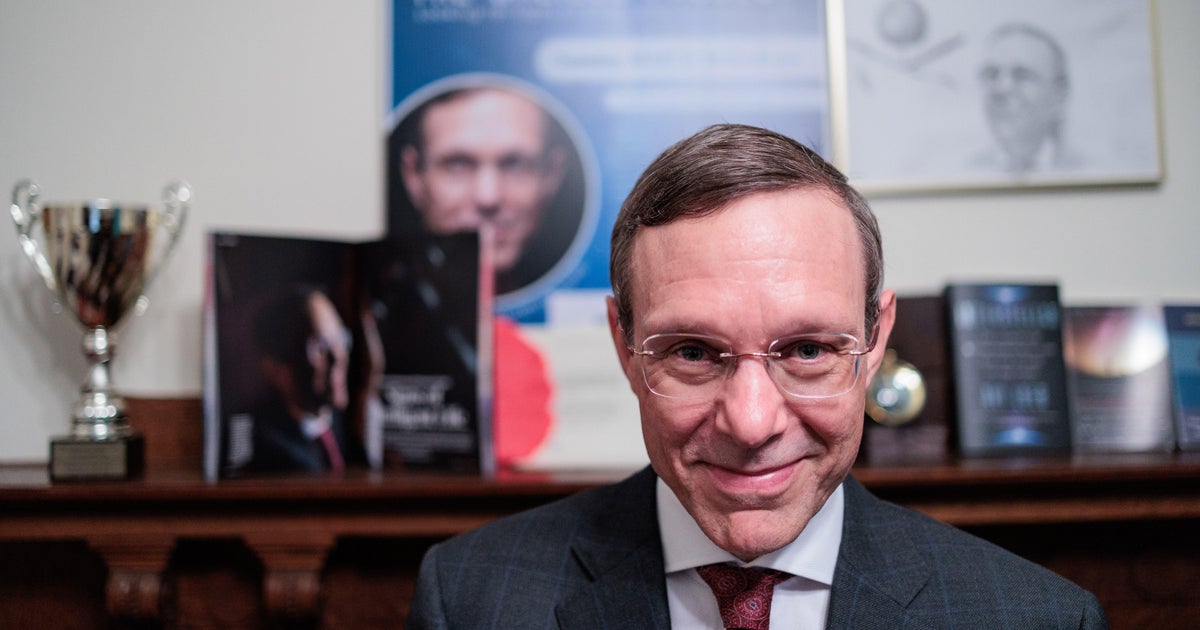
Avi Loeb, a Harvard University professor renowned for his controversial theories regarding extraterrestrial life, has been appointed to lead a new White House scientific advisory council focused on Unidentified Aerial Phenomena (UAP), commonly known as UFOs. Loeb's appointment signals a potential shift in how the U.S. government approaches the study of unexplained aerial events. His previous work, particularly his assertion that the interstellar object 'Oumuamua could have been an alien artifact, has garnered significant public attention and academic debate. The establishment of this council suggests a growing interest within the administration to apply rigorous scientific inquiry to phenomena that have long been subjects of speculation and popular culture. The council's mandate is expected to involve reviewing scientific data and advising on future research directions. Loeb's leadership is likely to bring a strong emphasis on scientific methodology and open investigation to the UAP domain. This initiative could lead to more transparency and data-driven analysis of UAP reports.
The U.S. government's establishment of a scientific advisory council on UAP, led by a prominent figure like Avi Loeb, indicates a formalization of scientific inquiry into previously marginalized phenomena. This move reflects a broader trend of institutionalizing the study of anomalies, potentially driven by national security concerns and a desire to apply established scientific frameworks to unexplained observations. Loeb's appointment, while bringing a high-profile advocate for extraterrestrial hypotheses, also positions the initiative within established academic structures. The council's success will likely hinge on its ability to balance rigorous scientific methodology with the inherent challenges of studying elusive phenomena, navigating potential biases and the demand for extraordinary evidence. This initiative could foster greater interdisciplinary collaboration and potentially unlock new avenues of research, but it also faces the challenge of managing public expectations and ensuring that findings are grounded in verifiable data.
AI-generated to prompt reflection — not editorial opinion, not advice, not a statement of fact. How this works.