Has Discrimination Against People with Disabilities Changed? 10 Years After Yamayuri Garden, Perspectives of Those Affected
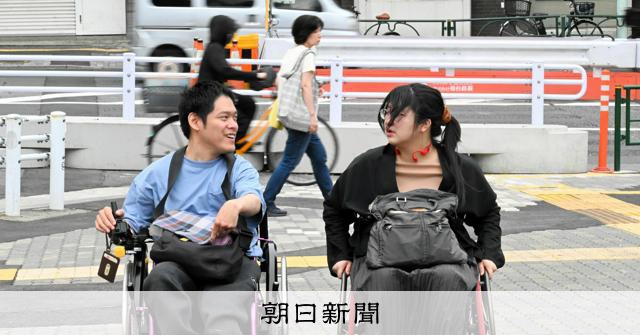
Ten years have passed since the Yamayuri Garden incident, prompting reflection on whether societal discrimination against people with disabilities has changed. The incident, which occurred in Sagamihara, Kanagawa Prefecture, Japan, involved a mass stabbing that resulted in the deaths of 19 residents and injuries to 26 others, all of whom had intellectual disabilities. The perpetrator, a former employee of the facility, expressed a desire to eliminate disabled individuals, highlighting deeply rooted discriminatory attitudes.
Disability rights advocates and individuals with disabilities have been working to foster greater understanding and inclusion. Despite some progress in legal frameworks and public awareness campaigns, challenges persist. Many individuals still face barriers in employment, education, and social participation. The ongoing struggle for equal rights and respect underscores the need for continued societal introspection and action to dismantle prejudice.
This anniversary serves as a critical moment to re-evaluate the progress made and to recommit to creating a society where people with disabilities are fully accepted and valued. The experiences and voices of those directly affected by discrimination are crucial in guiding future efforts towards genuine equality and the prevention of similar tragedies.
The Yamayuri Garden incident, occurring a decade ago, serves as a stark reminder of the persistent societal biases against individuals with disabilities. While legal reforms and public discourse may have evolved, the underlying discriminatory attitudes highlighted by the tragedy continue to present systemic barriers. The event's context within a facility for people with disabilities raises questions about institutional oversight and the societal structures that may inadvertently isolate or devalue vulnerable populations. Moving forward, fostering genuine inclusion requires not only legislative action but also a fundamental shift in cultural perceptions, ensuring that the rights and dignity of all individuals are recognized and protected within the broader societal framework.
AI-generated to prompt reflection — not editorial opinion, not advice, not a statement of fact. How this works.