Hasanuddin University Boosts Financial Disaster Risk Literacy in Selayar
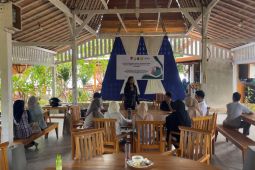
The Faculty of Mathematics and Natural Sciences (FMIPA) at Hasanuddin University (Unhas) has conducted a program to enhance financial disaster risk literacy among the community in Selayar Regency. This initiative aims to equip residents with the knowledge and skills to manage financial risks effectively, particularly in the face of natural disasters. The program involved educational sessions and practical guidance tailored to the specific vulnerabilities of the region. Participants learned about various financial tools and strategies that can help mitigate losses and facilitate recovery post-disaster. The university's commitment to community service is demonstrated through this effort to build resilience against economic shocks.
Selayar Regency is prone to various natural hazards, making financial preparedness a critical component of disaster management. Unhas's FMIPA recognized the need to integrate financial literacy into disaster preparedness efforts, understanding that economic stability is crucial for community recovery. The program focused on practical applications, ensuring that the knowledge gained is directly applicable to the daily lives and potential challenges faced by the residents. This proactive approach by Hasanuddin University seeks to empower the community of Selayar to better navigate and overcome financial adversities arising from natural calamities.
This initiative by Hasanuddin University addresses a critical gap in disaster preparedness by focusing on financial literacy, a dimension often overlooked in favor of immediate physical safety. By equipping the Selayar community with tools to manage financial risks, the program aims to foster long-term economic resilience. In an era where climate change is increasing the frequency and intensity of natural disasters, such proactive educational efforts are vital. They represent a systemic approach to mitigating the cascading impacts of disasters, moving beyond immediate response to sustainable recovery. The university's engagement highlights the role of academic institutions in translating research and knowledge into tangible community benefits, promoting self-sufficiency and reducing reliance on external aid in the aftermath of crises.
AI-generated to prompt reflection — not editorial opinion, not advice, not a statement of fact. How this works.