Hate Speech in Montenegro's Parliament Goes Unpunished
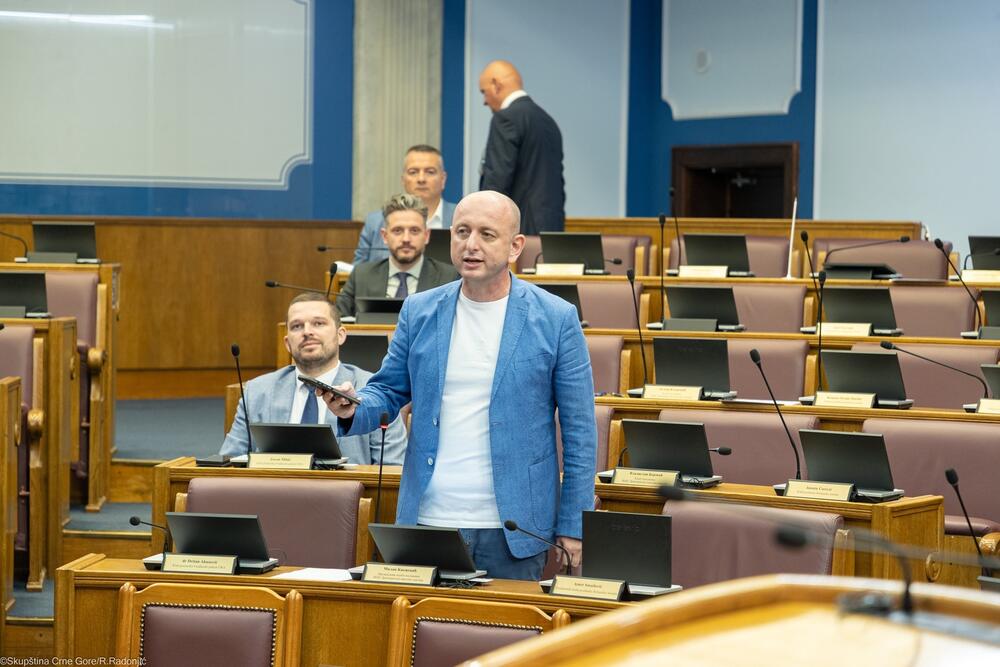
Despite the presence of hate speech within the highest legislative body, no member of the Parliament of Montenegro has faced consequences. Miloš Knežević stated that if the system does not react to statements made in parliament, it is difficult for citizens to believe that institutions will protect them. The institution of the Protector of Human Rights emphasized that political discourse is not exempt from the obligation to respect human dignity, the principle of equality, and the prohibition of discrimination. This lack of accountability raises concerns about the effectiveness of institutions in safeguarding citizens from harmful rhetoric.
The apparent lack of sanctions for hate speech within Montenegro's Parliament suggests a potential disconnect between legislative principles and enforcement mechanisms. This situation may foster a perception among citizens that institutional protections are insufficient, potentially eroding trust in democratic processes. Addressing such issues requires a robust framework that ensures accountability for all public officials, regardless of their position, to uphold fundamental rights and promote a more inclusive public discourse. Future governance models may need to prioritize transparent and consistent application of anti-discrimination laws to reinforce societal norms and citizen confidence.
AI-generated to prompt reflection — not editorial opinion, not advice, not a statement of fact. How this works.
