Hate Speech: Intolerance of Diverse Opinions Fuels Violence in Burundi
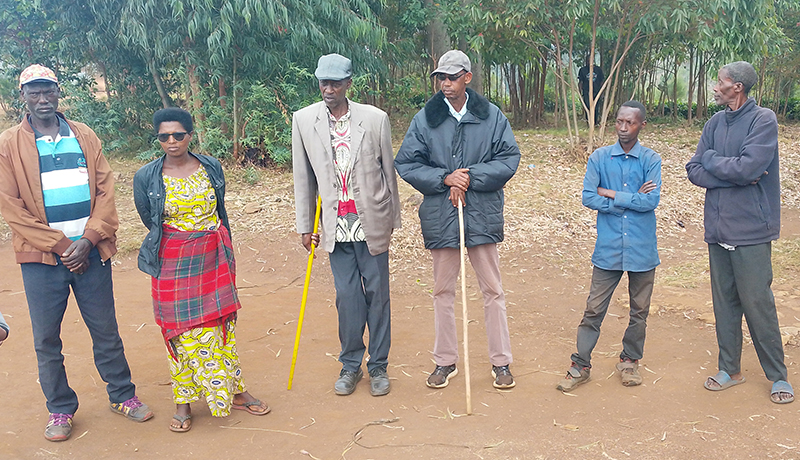
Residents of Buburu hill, in the Gisozi area of Mwaro commune, Burundi, are expressing concern over the rejection of differing opinions. They believe this intolerance not only hinders dialogue but also fosters mistrust and frustration, potentially leading to violence. The community's anxiety stems from a perceived inability to engage with diverse viewpoints, which they fear creates a fertile ground for conflict. This situation highlights a broader issue where the suppression of dissent can escalate into more significant social unrest. The inhabitants are calling for a more inclusive environment where different perspectives can be expressed and debated without fear of reprisal. Their worry is that the current climate of intolerance could have serious repercussions for the stability and peace of their community.
The situation in Buburu hill, Mwaro commune, illustrates a critical societal dynamic where the suppression of diverse opinions can create an environment ripe for conflict. When individuals or groups are unable to express or engage with differing viewpoints, it can lead to entrenched divisions, increased societal friction, and a heightened risk of instability. This phenomenon is not unique to Burundi and is often exacerbated in contexts where public discourse is restricted. Moving forward, fostering mechanisms for open dialogue and the respectful exchange of ideas is crucial for building resilient communities. Addressing the root causes of intolerance, such as fear or perceived threats to identity, will be key to mitigating the risk of violence and promoting long-term social cohesion.
AI-generated to prompt reflection — not editorial opinion, not advice, not a statement of fact. How this works.
