Havana Residents Endure Blackouts Amid National Grid Collapse
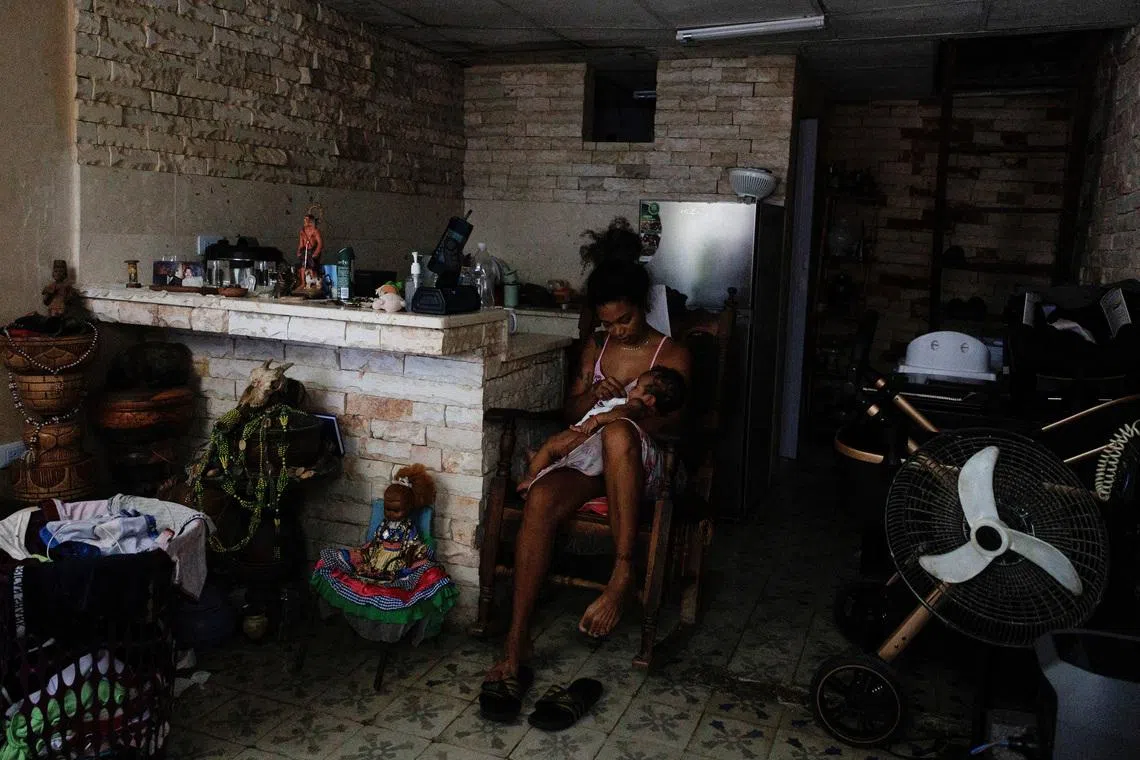
Frank Alfonso, a resident of Havana, typically sleeps on his roof to cope with the intense heat during Cuba's frequent blackouts. However, on Friday afternoon, the national power grid collapsed, plunging the island into darkness and removing even this small comfort. The event highlights the severity of Cuba's ongoing energy crisis, which has become increasingly disruptive for its citizens. The collapse of the national grid exacerbates the already dire situation, leaving residents like Alfonso without essential services and facing extreme conditions. This incident underscores the challenges faced by the island nation in maintaining its energy infrastructure and providing reliable power to its population. The recurring blackouts significantly impact daily life, affecting everything from personal comfort to essential services.
The collapse of Cuba's national grid illustrates the systemic challenges of maintaining aging infrastructure in a state-controlled economy. Frequent blackouts, exacerbated by climate factors like heatwaves, strain the resilience of daily life and economic activity. Future energy strategies will likely need to balance immediate needs with long-term investments in grid modernization and diversification of energy sources, potentially exploring decentralized renewable energy solutions to mitigate risks associated with a single, vulnerable national system. The ability to adapt to these persistent energy deficits will be a key determinant of social stability and economic progress over the next decade.
AI-generated to prompt reflection — not editorial opinion, not advice, not a statement of fact. How this works.