Hawa Mahal: Jaipur's Unique Palace with 953 Windows
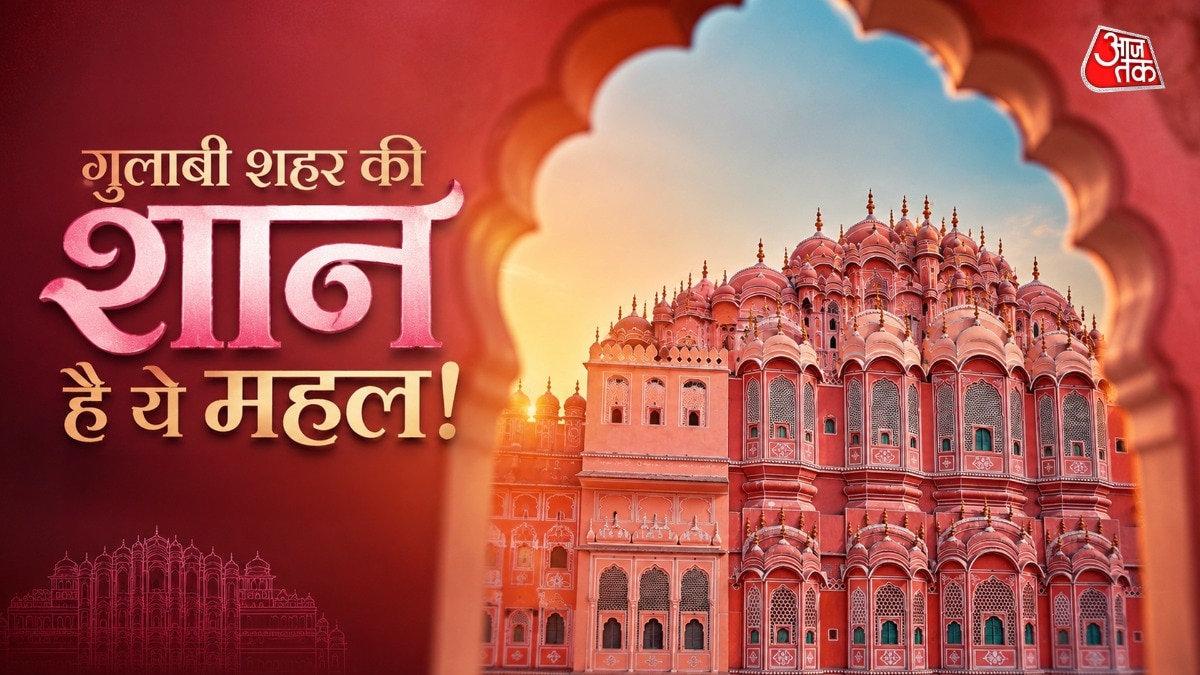
The Hawa Mahal in Jaipur is globally renowned for its 953 latticed windows and distinctive Rajasthani architecture. This historic palace boasts an intriguing history and was built with a specific purpose in mind. Its unique design continues to make it a top attraction for tourists and selfie enthusiasts alike. The palace's intricate facade, designed to allow royal women to observe street festivities unseen, is a marvel of ancient engineering. The structure's five-story facade resembles a honeycomb, with each floor featuring a different level of ornamentation. The Hawa Mahal's strategic placement allows for natural ventilation, keeping the interior cool even during the hottest months. This architectural brilliance, combined with its historical significance, draws visitors from around the world. It stands as a testament to the rich cultural heritage of Rajasthan and India.
The Hawa Mahal exemplifies how architectural innovation can serve both aesthetic and functional purposes, particularly in addressing climate and social dynamics of its era. Its enduring appeal highlights the global fascination with historical sites that offer unique visual experiences and cultural narratives. The structure's design, intended to provide privacy for royal women while allowing them to witness public life, reflects the societal norms of 18th-century India. As tourism evolves, such landmarks present opportunities for cultural preservation and economic development, though they also face challenges in managing visitor impact and maintaining authenticity. The palace's continued popularity underscores the lasting power of distinctive design and historical storytelling in attracting global attention.
AI-generated to prompt reflection — not editorial opinion, not advice, not a statement of fact. How this works.