Hayabusa2 Spacecraft to Target Small 11-Meter Asteroid After Sample Mission
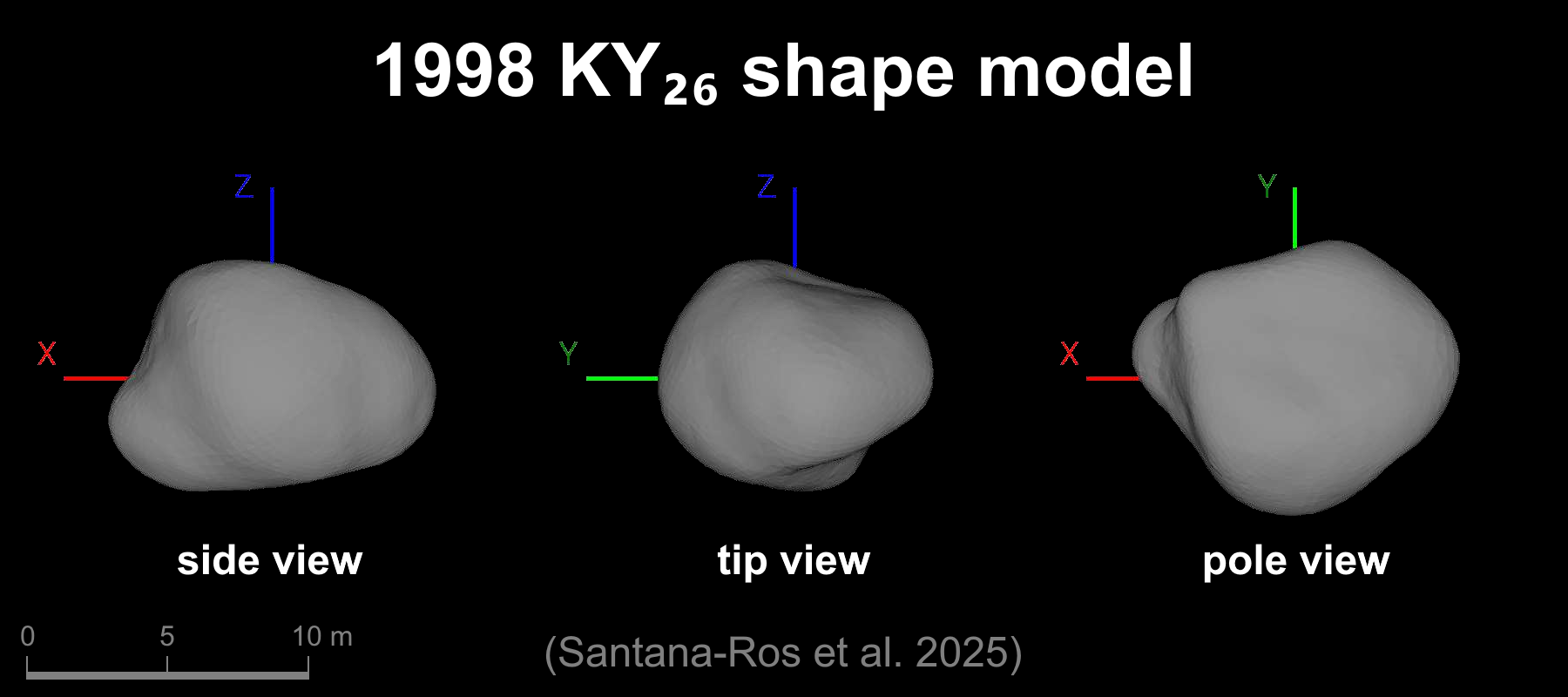
Japan's Hayabusa2 spacecraft, launched in 2014, is preparing for a new mission targeting a small asteroid measuring approximately 11 meters in diameter. This follows the successful completion of its primary sample return mission from a larger asteroid in 2020. Despite its age, the spacecraft remains in good operational condition, allowing for this extended exploration. The new objective signifies a continued effort in asteroid research and sample collection by the Japanese space agency. The probe's ability to undertake further missions highlights the durability and success of the Hayabusa2 project. Further details regarding the specific asteroid and the mission's timeline are anticipated.
The extension of the Hayabusa2 mission to a significantly smaller celestial body demonstrates a strategic shift towards exploring diverse asteroid compositions and origins. This pursuit of varied samples, even from diminutive targets, could offer novel insights into the early solar system's formation and the distribution of resources. The continued operational status of a spacecraft launched in 2014 underscores advancements in long-duration spaceflight engineering and mission planning, potentially setting precedents for future deep-space endeavors. Such extended missions also raise questions about resource allocation and the scientific return on investment for progressively smaller targets, balancing ambitious exploration with pragmatic mission objectives in the evolving landscape of space science.
AI-generated to prompt reflection — not editorial opinion, not advice, not a statement of fact. How this works.