Hazardous Pesticides Found in South African Infant Food and Crops Raise Safety Concerns
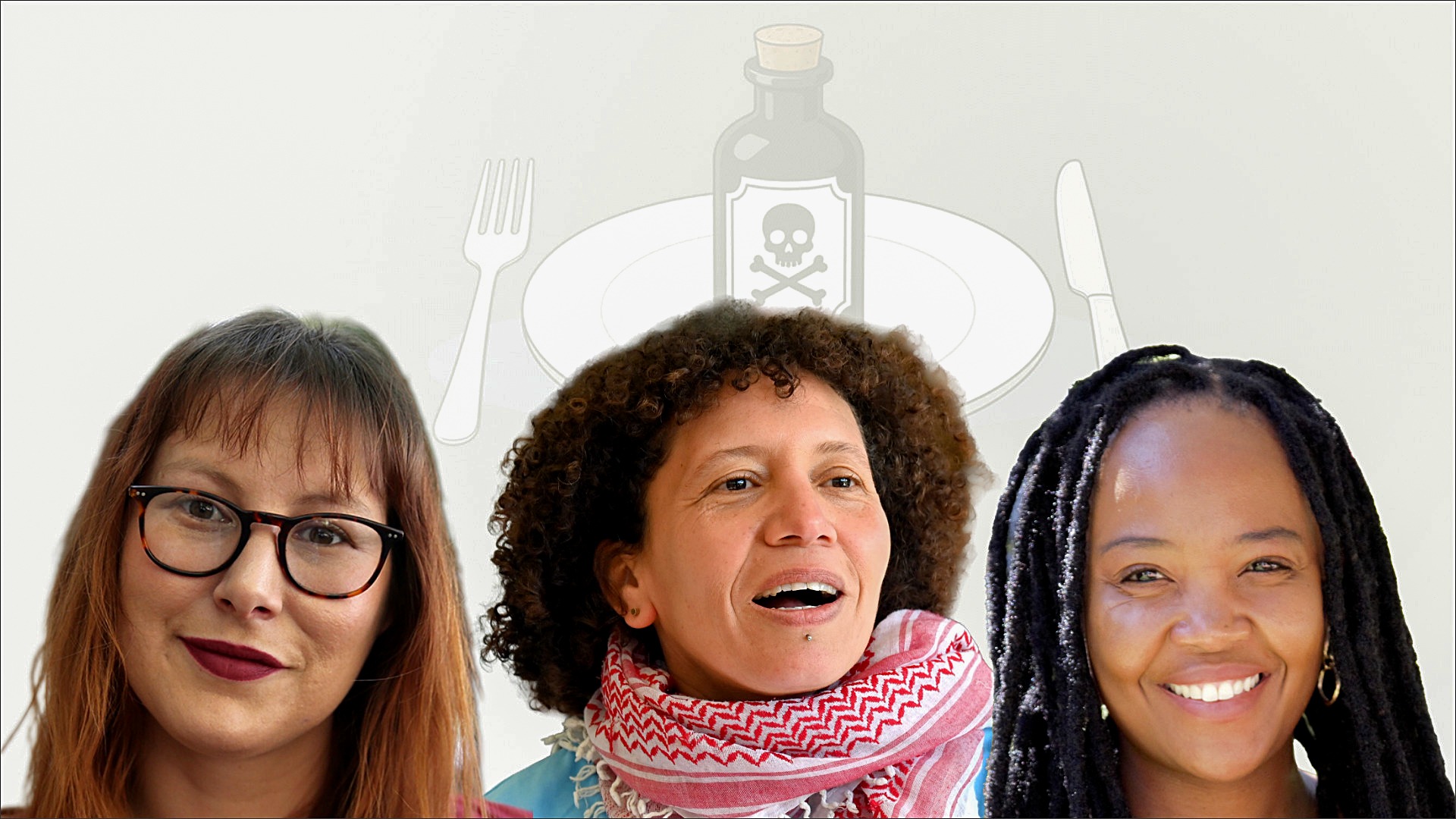
South Africa permits the use of 195 highly hazardous pesticides, a significant number of which are prohibited in the European Union. This regulatory disparity has sparked serious concerns regarding the safety of food products, particularly for infants, and the broader environmental implications. The presence of these banned substances in staple crops further exacerbates these worries, suggesting a potential public health risk. The discrepancy highlights a significant gap in safety standards and enforcement between South Africa and the EU. This situation calls into question the adequacy of current regulations and oversight mechanisms within South Africa's agricultural and food safety sectors. The hidden harvest of these dangerous chemicals in everyday food items underscores the urgent need for a review and potential overhaul of pesticide policies to align with international safety benchmarks and protect consumer health and the environment.
The disparity in pesticide regulations between South Africa and the EU suggests differing approaches to risk assessment and management, potentially influenced by economic factors, agricultural practices, and regulatory capacity. While some pesticides may be deemed acceptable under specific conditions in one jurisdiction, their widespread use in another, especially in infant food and staple crops, warrants scrutiny regarding long-term health impacts and ecosystem resilience. This situation presents a systemic challenge, prompting consideration of how global supply chains interact with varying national standards and the potential for regulatory arbitrage. Moving forward, South Africa may face increasing pressure to harmonize its policies with international best practices, balancing agricultural productivity with public health and environmental sustainability in the context of evolving global food safety expectations.
AI-generated to prompt reflection — not editorial opinion, not advice, not a statement of fact. How this works.