Health inspectors uncover illegal meat factory in Araçatuba, Brazil
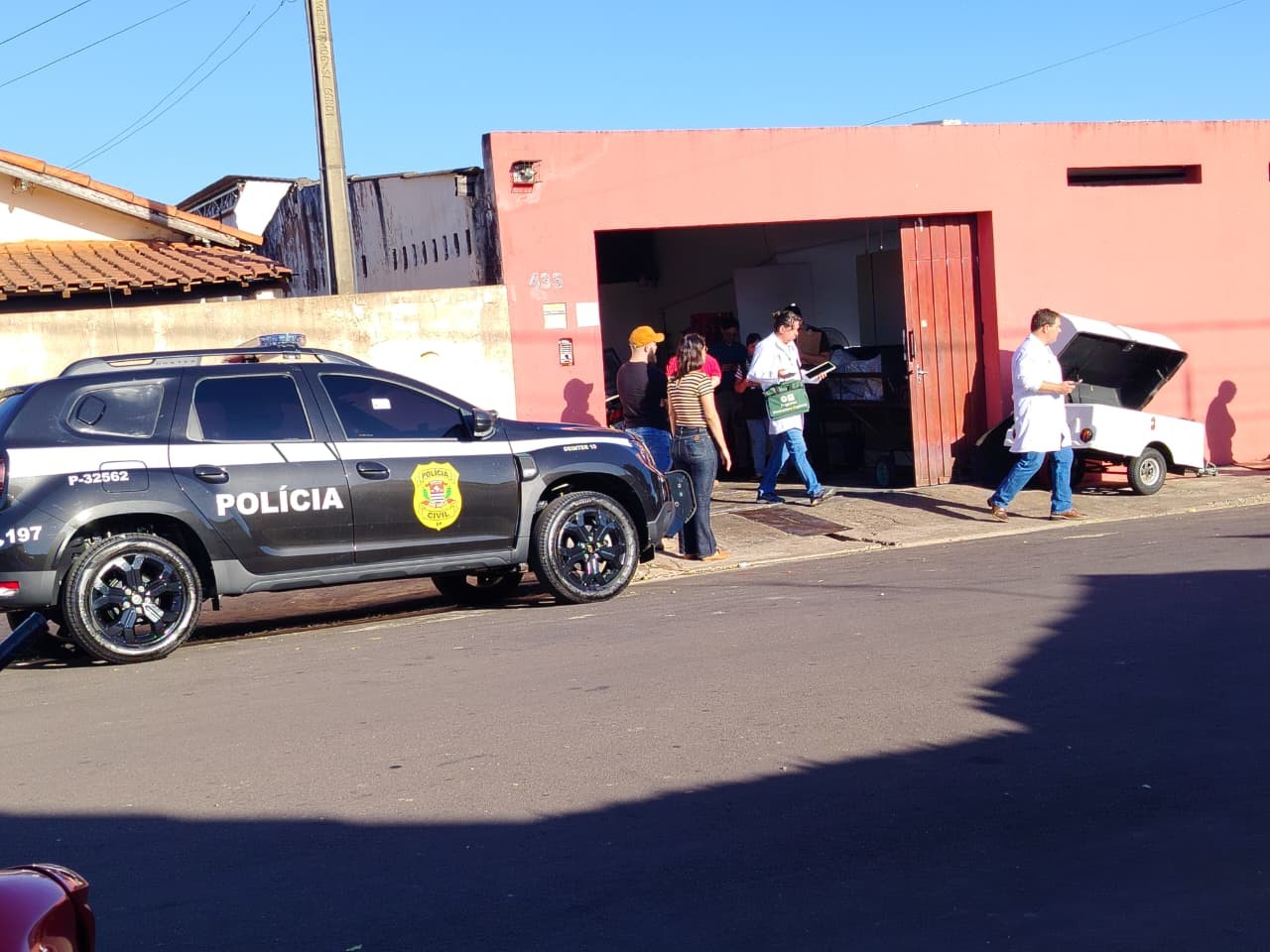
Health surveillance authorities in Araçatuba, São Paulo, Brazil, discovered an illegal meat processing operation on Thursday, May 16th, following an anonymous tip. Inspectors visited a residence in the Jussara neighborhood, where they found that multiple rooms were being used for the production of animal products. Seven employees and the administrators were present during the inspection. The clandestine factory was producing meat for skewers, sausages, and hamburgers, and also manufacturing soap. A significant quantity of beef and chicken, totaling approximately 400 kg, was found stored in inadequate conditions, lacking proper refrigeration and temperature control, and located near garbage. The presence of flies and mosquitoes further indicated unsanitary conditions. Authorities suspect the operation was supplying local supermarkets. While the owners presented a business permit, it was not valid for the discovered location. The facility has since been sealed, and the products seized. The Civil Police will open an investigation into the matter, with support from municipal inspection services, city hall's posture enforcement, and specialized tactical units of the municipal guard.
This incident highlights critical gaps in regulatory oversight and enforcement within the food supply chain. The discovery of an unlicensed facility operating with severe sanitary deficiencies, potentially supplying local markets, underscores the vulnerability of consumers to unsafe products. The presence of a false permit suggests a deliberate attempt to circumvent legal requirements, pointing to systemic issues in business registration and ongoing compliance monitoring. Moving forward, enhanced data-driven surveillance, leveraging anonymous reporting systems with robust follow-up protocols, and inter-agency collaboration are essential to proactively identify and dismantle such operations before they pose a public health risk. The long-term challenge lies in creating incentive structures that discourage illicit operations and promote transparent, safe food production practices across all tiers of the industry.
AI-generated to prompt reflection — not editorial opinion, not advice, not a statement of fact. How this works.