Health Ministry Urges Doctors Not to Disrupt Patient Care Amid Protests
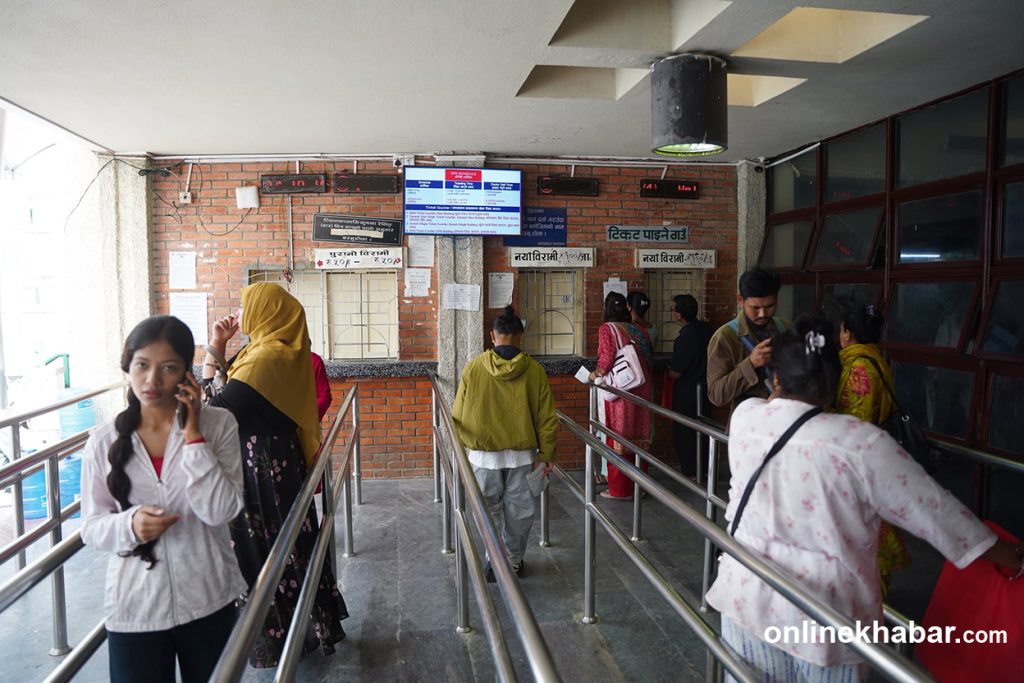
Following an incident of assault and mistreatment against doctors at Narayani Hospital in Birgunj, physicians across Nepal have initiated protests. In response, the Ministry of Health and Population has issued an appeal urging medical professionals not to cease hospital and outpatient department (OPD) services. Ministry spokesperson Dr. Samir Adhikari clarified that the ministry has not mandated the closure of hospitals. He noted that services are continuing in some locations, emphasizing the need for uninterrupted healthcare delivery. The ministry's directive aims to ensure that patient treatment is not compromised by the ongoing demonstrations. This situation highlights the tension between the rights of healthcare workers to protest and their professional obligation to provide care.
The Ministry of Health's appeal to doctors underscores a critical systemic tension between professional rights and public service obligations. While healthcare workers deserve safe working conditions and the right to protest mistreatment, disruptions to essential services like hospitals and OPDs can have severe public health consequences. This situation prompts consideration of alternative protest mechanisms that do not endanger patient well-being. Looking ahead, robust institutional frameworks are needed to address grievances within the healthcare sector, ensuring both provider safety and continuous patient access to care, especially as demand for services is projected to increase due to demographic shifts and technological advancements.
AI-generated to prompt reflection — not editorial opinion, not advice, not a statement of fact. How this works.