Health Screenings Can Detect Fertility Issues Early
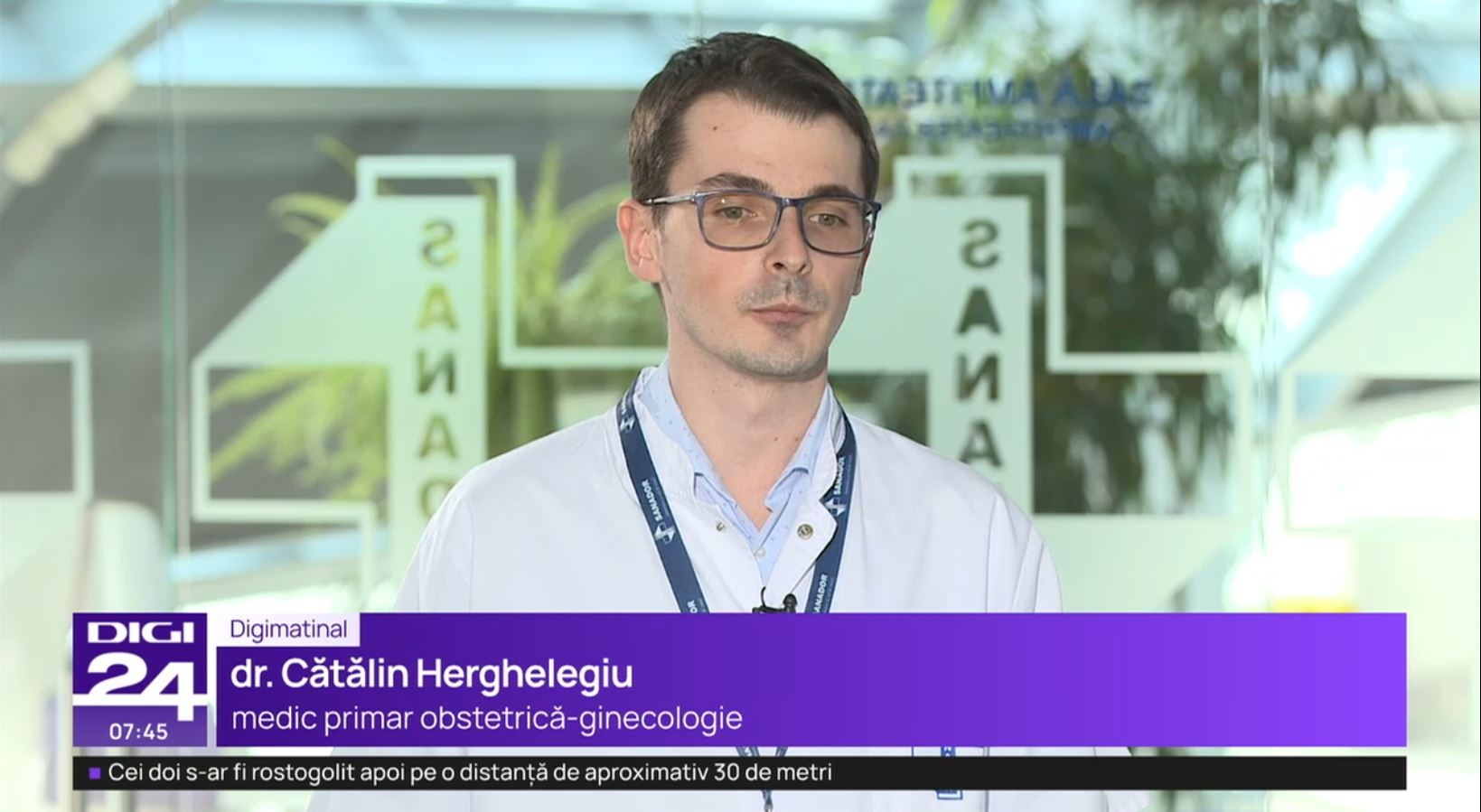
Regular health check-ups can play a crucial role in identifying potential problems that may affect a person's fertility. Early detection of these issues allows for timely intervention and treatment, potentially improving outcomes. These screenings are designed to uncover underlying conditions that might not present obvious symptoms in their initial stages. By addressing these concerns proactively, individuals can take informed steps towards managing their reproductive health. The importance of these checks extends to both men and women, as fertility is a complex process influenced by various factors. Consulting with healthcare professionals for routine examinations is therefore recommended for anyone concerned about their fertility. This approach emphasizes preventative care and the management of health conditions that could impact the ability to conceive. Ultimately, these early interventions aim to provide individuals with a better understanding of their reproductive health and options.
Routine health screenings serve as a critical preventative measure by identifying potential fertility impediments before they become severe. This proactive approach aligns with a broader public health strategy emphasizing early diagnosis and intervention, which can significantly reduce the long-term burden of reproductive health challenges. From a systems perspective, encouraging widespread adoption of such screenings could alleviate pressure on specialized fertility treatments and improve overall societal reproductive wellness. The economic implications are also noteworthy, as early management often proves less costly than later-stage interventions. Looking ahead, integrating advanced diagnostic technologies into these screenings could further enhance their efficacy in the coming decade, ensuring individuals are better equipped to navigate their reproductive journeys amidst evolving societal and biological landscapes.
AI-generated to prompt reflection — not editorial opinion, not advice, not a statement of fact. How this works.