Health Transparency Debated for Aging US Politicians After Senator Graham's Death
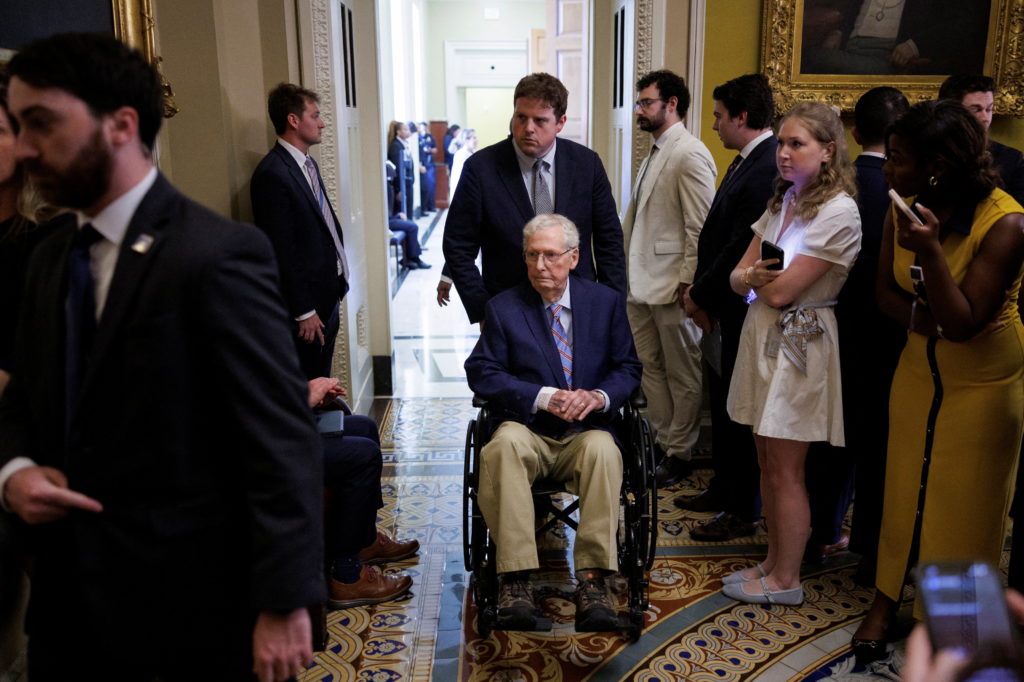
The recent death of Senator Bob Graham and the hospitalization of 84-year-old Senate Minority Leader Mitch McConnell have sparked a national conversation about the health and transparency of the nation's aging political leaders. This period of scrutiny highlights concerns regarding the physical and cognitive fitness of older politicians who hold significant power. Senator John Cornyn has publicly suggested that increased health transparency might be necessary for elected officials. The events prompt questions about whether current disclosure standards are adequate for a populace concerned about the well-being of those making critical decisions. This discussion is gaining momentum as more older individuals remain in high-profile political roles, leading to public interest in their ability to effectively serve their terms. The ongoing debate centers on finding a balance between privacy and the public's right to know about the health of their representatives.
The convergence of Senator Graham's passing and Senator McConnell's recent hospitalization brings into focus the systemic challenges of an aging political class. This situation prompts an examination of governance frameworks and disclosure norms within democratic institutions. Evaluating the trade-offs between personal privacy and public accountability is crucial, particularly as advanced age may correlate with increased health risks. Future policy discussions could explore mechanisms for ensuring elected officials' continued capacity to serve, potentially through enhanced voluntary disclosure or independent health assessments, without infringing on individual rights. The long-term implications for legislative continuity and public trust warrant careful consideration in the evolving landscape of political leadership.
AI-generated to prompt reflection — not editorial opinion, not advice, not a statement of fact. How this works.