Healthcare Workers in Ebola-Hit Eastern Congo Strike Over Unpaid Wages
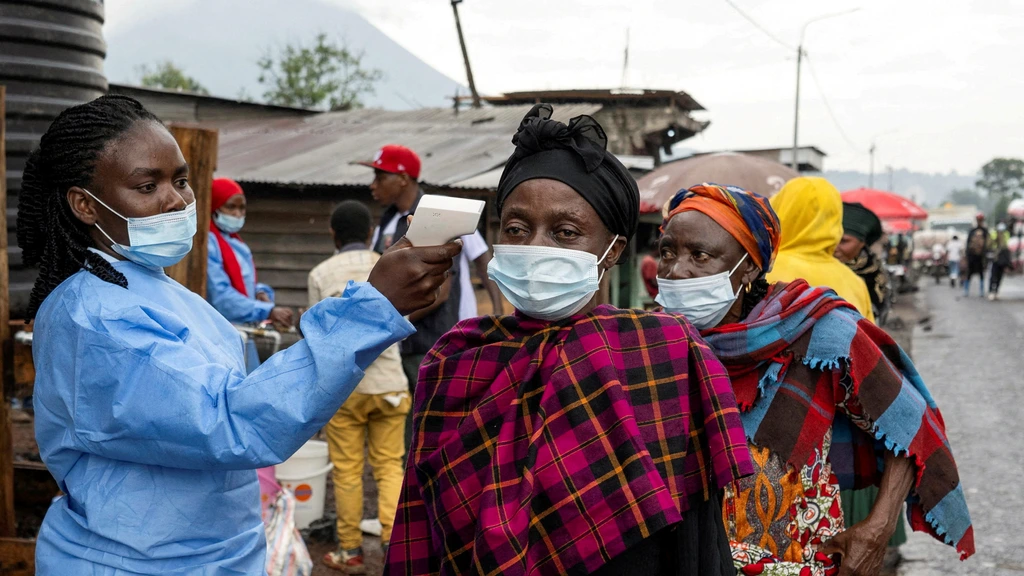
Healthcare workers in the eastern Democratic Republic of Congo, an area ravaged by an Ebola outbreak, have once again stopped working due to non-payment of their salaries. Employees at the hospital in Bunia, the largest healthcare facility in the heavily affected Ituri region, began a strike today. This is the latest instance in eastern Congo where personnel have ceased work over delayed salary payments and unpaid overtime, with some blocking hospital access. It remains unclear how long the strike will last, and some workers report receiving no compensation since the Ebola outbreak began on May 15th.
Doctors Without Borders warns that the outbreak is spreading faster than health authorities can manage, urging for increased containment measures. Official government figures indicate that confirmed Ebola cases have tripled to over 2,000 in less than five weeks, with 754 deaths recorded, a doubling since June 28th. This makes it the third-largest and fastest-growing Ebola outbreak ever documented, according to Doctors Without Borders. The World Health Organization (WHO) estimates the actual number of cases could be two to four times higher than currently known, with over a hundred healthcare workers infected since the outbreak's start.
The Dutch government has allocated an additional four million euros, bringing the total to seven million, to combat the virus, as announced by Minister Sjoerdsma. The outbreak, caused by the rare Bundibugyo virus, is complicated by difficulties in contact tracing, with at least 80% of new infections having unknown sources. Population movements due to armed conflict and mining activities further hinder efforts to track contacts. The fight against Ebola is also hampered by funding shortages, attacks on health centers, ongoing rebel conflict, and public mistrust.
The ongoing Ebola outbreak in eastern DRC is significantly exacerbated by systemic failures in healthcare worker compensation and support, creating a critical operational bottleneck. This situation highlights a fundamental tension between public health emergencies and the basic labor rights of frontline responders, particularly in regions already destabilized by conflict and underfunded health infrastructure. The recurring strikes, despite the life-or-death nature of the crisis, underscore a profound disconnect in resource allocation and governance. Looking ahead, sustainable outbreak response requires not only international funding but also robust national and local mechanisms to ensure fair and timely payment for all healthcare personnel, thereby fostering trust and ensuring continuity of care in future health crises.
AI-generated to prompt reflection — not editorial opinion, not advice, not a statement of fact. How this works.