Hearing Great Kiskadees in Your Garden is a Positive Sign
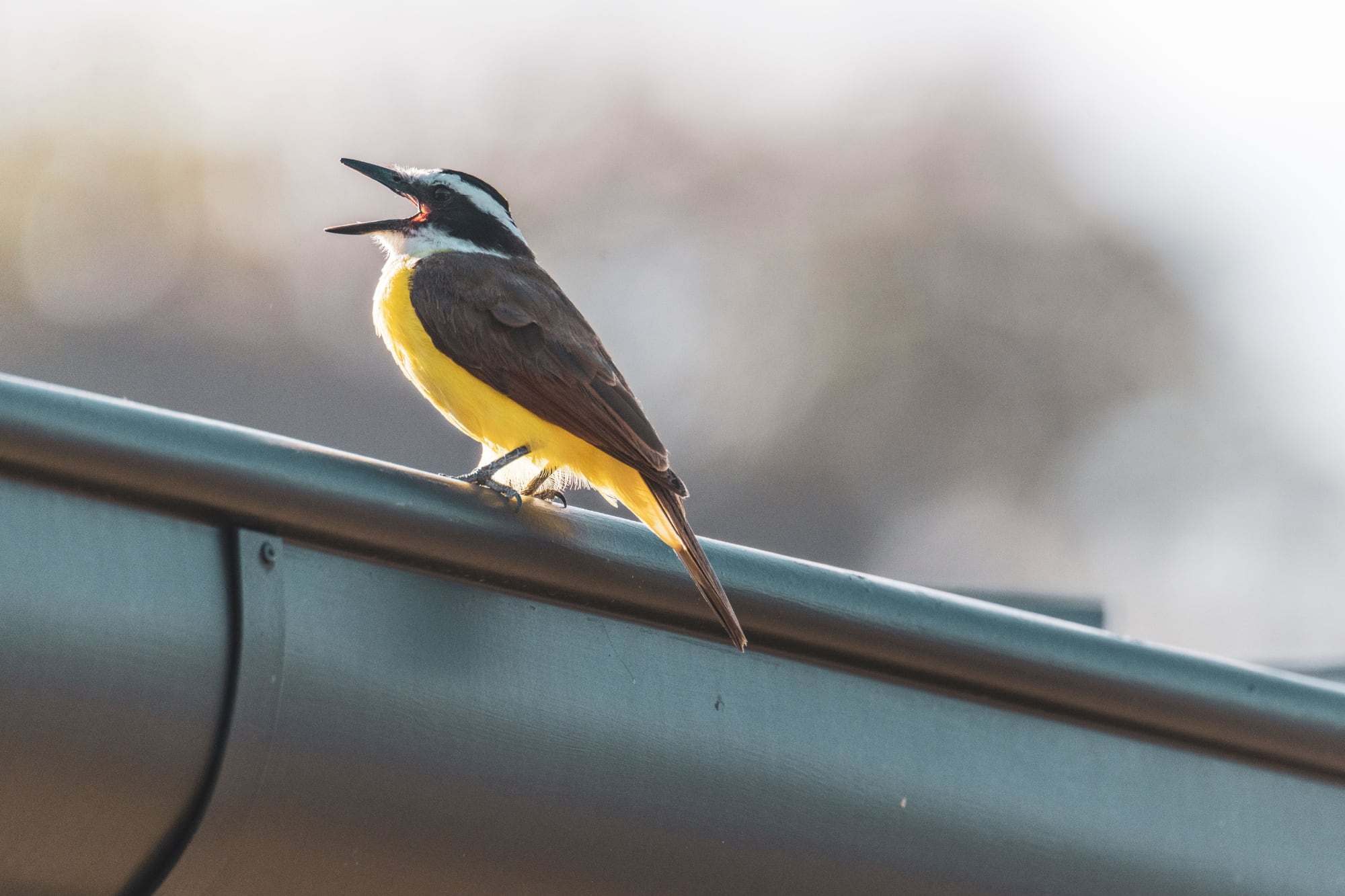
The presence of the Great Kiskadee (benteveo) bird in domestic environments signifies balanced environmental conditions. This observation is more than just a coincidental sound in the daily urban landscape of Buenos Aires. The bird's appearance indicates a healthy ecosystem capable of supporting wildlife. Its song is often interpreted as a positive omen by residents. This suggests a connection between the well-being of local fauna and the quality of the urban environment. The Great Kiskadee is a common bird in South America, known for its loud, distinctive call. Its preference for varied habitats, including those close to human settlements, makes it a familiar sight and sound. The bird's ability to thrive indicates that the surrounding area likely has adequate food sources and suitable nesting sites. Therefore, hearing this bird is a signal of ecological health and a positive indicator for the local environment.
The observation of Great Kiskadees in urban gardens serves as an ecological indicator, reflecting the health of local biodiversity and environmental balance. This phenomenon highlights the interconnectedness between urban development and natural habitats, suggesting that even densely populated areas can support wildlife if ecological conditions are maintained. The positive interpretation by residents underscores a societal appreciation for nature and a desire for environmental well-being. As urbanization continues, understanding and preserving these natural indicators becomes crucial for sustainable city planning and fostering a harmonious coexistence between humans and wildlife. The presence of such species prompts consideration of green infrastructure and habitat restoration within urban planning frameworks to ensure long-term ecological resilience.
AI-generated to prompt reflection — not editorial opinion, not advice, not a statement of fact. How this works.