Heart Attack Symptoms: Women May Be Dismissed Due to a Single Word
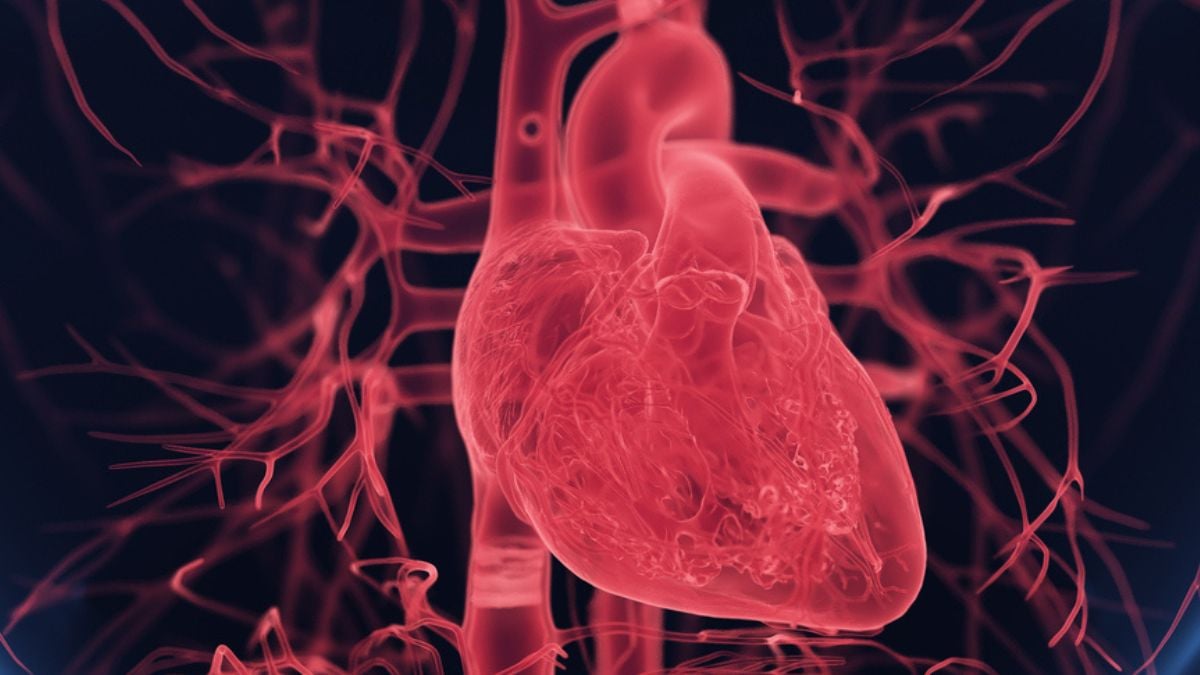
Young women are reportedly seven times more likely than men to be sent home from the hospital during a heart attack. This alarming disparity may be linked to a single word used to describe symptoms. While chest pain is the classic symptom for heart attacks, women often experience different, less specific symptoms. These can include nausea, vomiting, back pain, jaw pain, shortness of breath, and fatigue. The article suggests that when women describe their symptoms using terms other than "chest pain," healthcare providers may be less likely to suspect a heart attack. This can lead to delayed diagnosis and treatment, potentially resulting in worse outcomes for young women. The source emphasizes the critical need for healthcare professionals to be aware of the diverse ways heart attacks can present in women and to consider a heart attack diagnosis even when classic chest pain is absent. Early recognition and intervention are crucial for saving lives and preventing long-term damage.
The disparity in how heart attack symptoms are perceived based on gender highlights a critical gap in medical awareness and diagnostic protocols. The potential influence of specific terminology, such as "chest pain," versus other symptom descriptors, suggests a need for enhanced medical education and standardized diagnostic criteria that account for sex-based differences in symptom presentation. Future medical systems should integrate more sophisticated symptom-analysis algorithms that are trained on diverse datasets, reducing reliance on potentially biased or incomplete human interpretation. This approach could mitigate risks associated with gender bias and improve equitable healthcare outcomes, particularly for conditions where symptoms are not universally uniform.
AI-generated to prompt reflection — not editorial opinion, not advice, not a statement of fact. How this works.