Heat May Increase Same-Sex Sexual Behavior in Male Beetles, Study Suggests
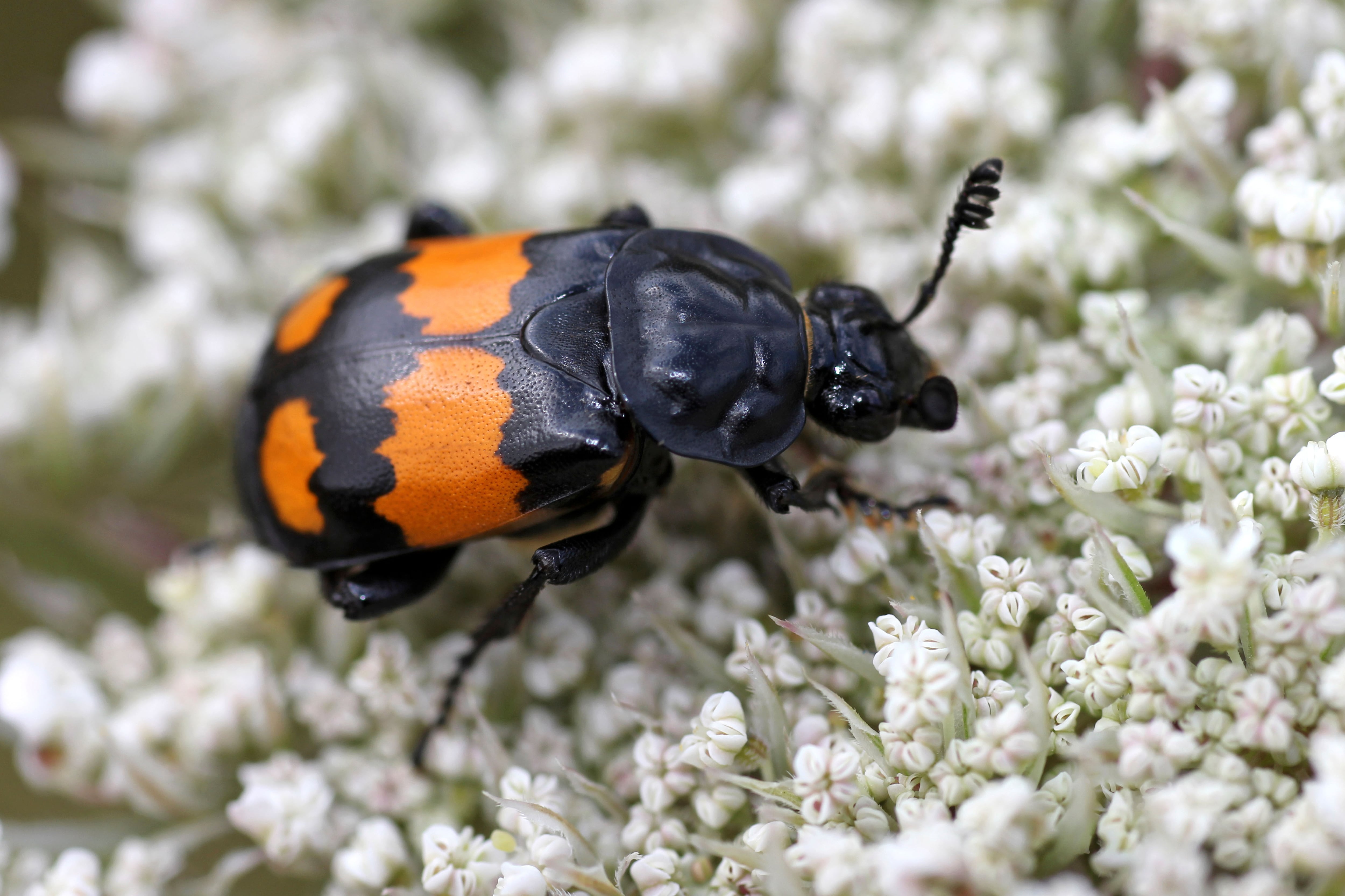
A recent study indicates that rising temperatures could lead to an increase in same-sex sexual behavior among male beetles. Researchers hypothesize that thermal stress may interfere with the chemical signals these insects use to identify the sex of other individuals. This disruption in chemoreception could lead to misidentification and subsequent mating attempts between males. The findings suggest a potential behavioral adaptation or consequence of environmental change in this species. Further research is needed to fully understand the mechanisms and broader ecological implications of this phenomenon. The study highlights how environmental factors can influence complex behaviors in insects.
This research points to a fascinating intersection of environmental stress and insect behavior. The proposed mechanism, where thermal stress disrupts chemical signaling for sex identification, offers a rational explanation for observed behavioral changes. Understanding these dynamics is crucial for predicting how insect populations might respond to climate change. Such shifts in mating behavior could have cascading effects on reproductive success and population dynamics, warranting further investigation into the long-term ecological consequences and the potential for evolutionary adaptation within beetle species facing similar environmental pressures.
AI-generated to prompt reflection — not editorial opinion, not advice, not a statement of fact. How this works.