Heat Pumps Become Most Installed Heating System in German Homes for First Time
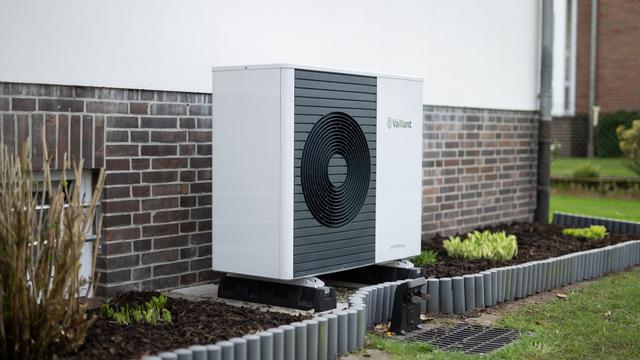
For the first time, heat pumps have become the most frequently installed type of heating system in residential buildings in Germany. This significant shift was reported by the Institut der deutschen Wirtschaft (IW), a German economic research institute. The data indicates a growing trend towards renewable energy sources for heating purposes across the country. This development is likely influenced by ongoing policy initiatives and increasing consumer awareness regarding climate change and energy efficiency. The transition to heat pumps represents a substantial move away from traditional fossil fuel-based heating systems. Further details on the exact market share and the timeframe of this shift are expected to be released by the IW. This trend is crucial for Germany's energy transition and its goals to reduce carbon emissions.
The increasing adoption of heat pumps as the primary heating system in German residences signifies a tangible shift in the nation's energy infrastructure, aligning with broader decarbonization objectives. This trend reflects a confluence of policy incentives, technological advancements, and evolving consumer preferences toward sustainable solutions. The long-term implications involve a potential reduction in fossil fuel dependency and greenhouse gas emissions, contributing to energy security and climate targets. Future analysis should consider the scalability of this transition, grid capacity, and the economic viability for diverse household income levels to ensure an equitable and efficient energy future.
AI-generated to prompt reflection — not editorial opinion, not advice, not a statement of fact. How this works.