Heatstroke vs. Heat Exhaustion: Understanding the Dangers
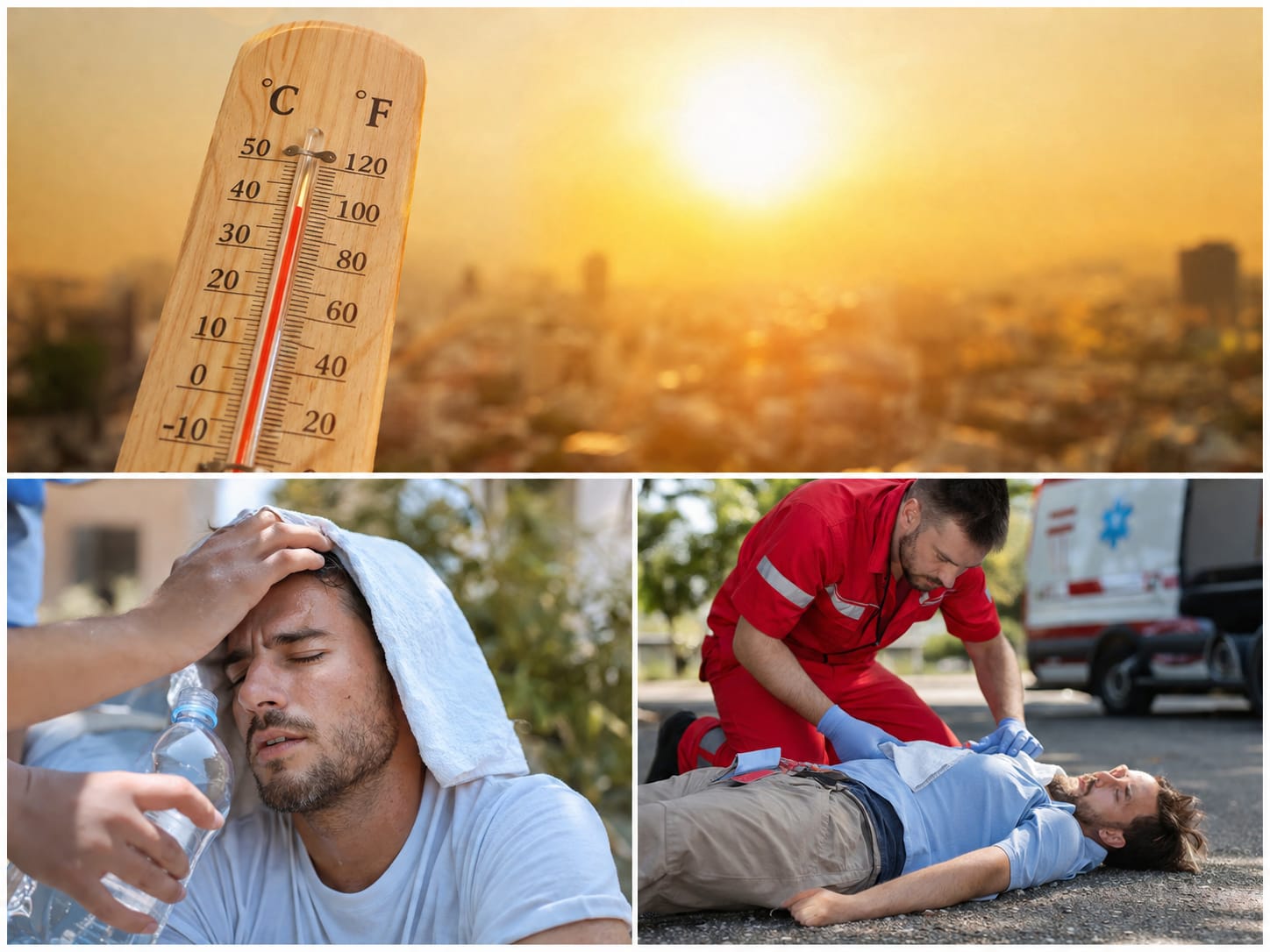
The article "Heatstroke vs. Heat Exhaustion: Which is More Dangerous?" aims to clarify the distinctions between these two heat-related illnesses and highlight their respective risks. Heat exhaustion is characterized by symptoms such as heavy sweating, cold, pale and clammy skin, a fast, weak pulse, nausea or vomiting, muscle cramps, tiredness or weakness, dizziness, and headache. It typically occurs when the body loses too much water and salt, often due to prolonged exposure to high temperatures and inadequate fluid intake. While uncomfortable and potentially serious, heat exhaustion is generally considered less life-threatening than heatstroke.
Heatstroke, on the other hand, is a severe medical emergency that requires immediate attention. Its symptoms include a high body temperature (103°F or higher), hot, red, dry or damp skin, a rapid, strong pulse, headache, dizziness, nausea, confusion, and loss of consciousness. Heatstroke happens when the body's temperature regulation system fails, leading to a dangerously high internal temperature. This condition can cause permanent damage to the brain, heart, kidneys, and muscles if not treated promptly. The article emphasizes that while both conditions are linked to excessive heat exposure, heatstroke represents a critical failure of the body's cooling mechanisms and poses a significantly greater risk to life.
This piece addresses critical public health information regarding heat-related illnesses, differentiating between heat exhaustion and the more severe heatstroke. By outlining distinct symptoms and the underlying physiological failures—dehydration and electrolyte imbalance for exhaustion versus thermoregulation system collapse for heatstroke—it empowers individuals to recognize and respond appropriately. The analysis highlights the importance of timely medical intervention for heatstroke, underscoring its potential for severe, irreversible organ damage. In the context of a warming climate, understanding these distinctions is paramount for preventative measures and emergency preparedness, enabling individuals and communities to mitigate risks associated with rising global temperatures and more frequent heatwaves.
AI-generated to prompt reflection — not editorial opinion, not advice, not a statement of fact. How this works.