Heatwave in Germany Strains Health and Environment
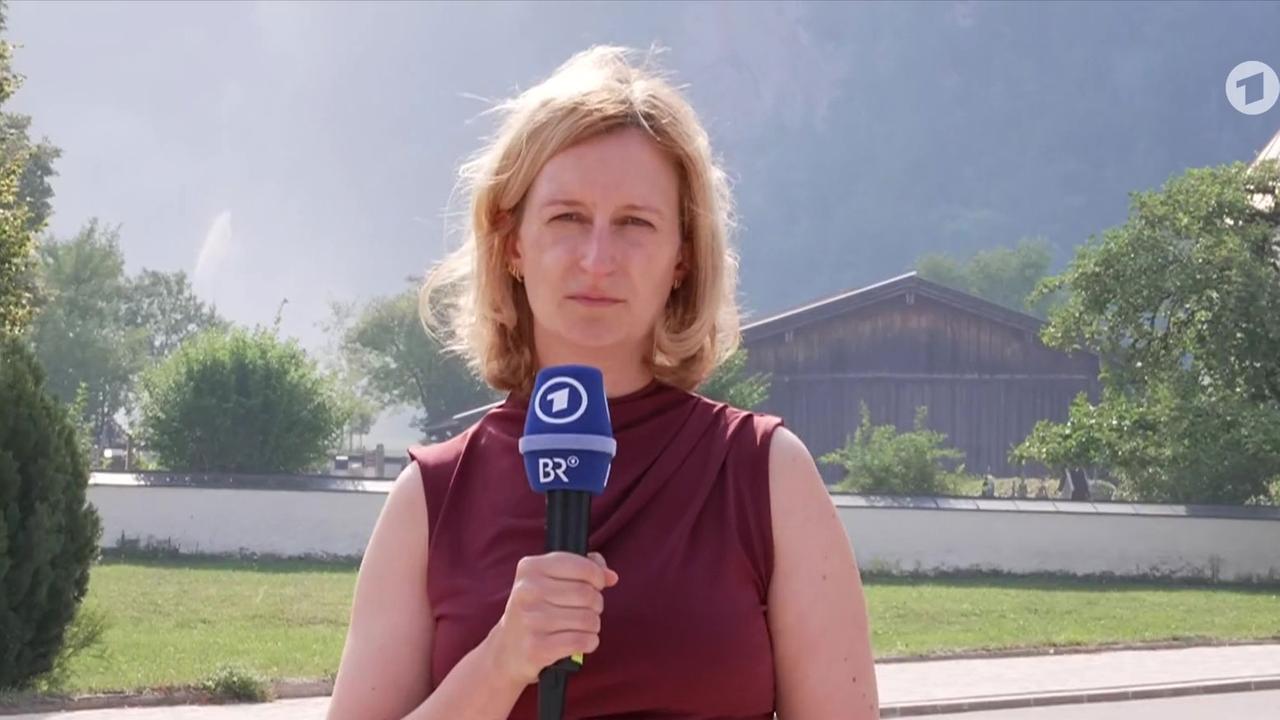
Germany is currently experiencing a heatwave that is placing a significant burden on both public health and the environment. The extreme temperatures are posing considerable risks to the well-being of the population, particularly vulnerable groups. Simultaneously, the prolonged heat is exacerbating environmental stresses, impacting ecosystems and natural resources. The situation highlights the growing challenges posed by climate change and the need for adaptive strategies. Further details on the specific health impacts and environmental consequences are expected as the heatwave continues. The duration and intensity of the heatwave will determine the long-term effects on Germany's health infrastructure and ecological balance. Authorities are monitoring the situation closely and advising the public on necessary precautions.
The current heatwave in Germany underscores the increasing frequency and intensity of extreme weather events, a direct consequence of global climate change. This situation presents a dual challenge: safeguarding public health amidst rising temperatures and mitigating the environmental degradation caused by prolonged heat. The strain on health systems, particularly for vulnerable populations, necessitates robust public health infrastructure and preparedness. Environmentally, the heatwave impacts water resources, agriculture, and biodiversity, highlighting the interconnectedness of climate, health, and ecological stability. Future policy responses will likely focus on adaptation strategies, including urban planning for heat resilience and investments in sustainable resource management, to address the systemic risks posed by such events.
AI-generated to prompt reflection — not editorial opinion, not advice, not a statement of fact. How this works.