Heatwaves Create Favorable Conditions for Wildfires
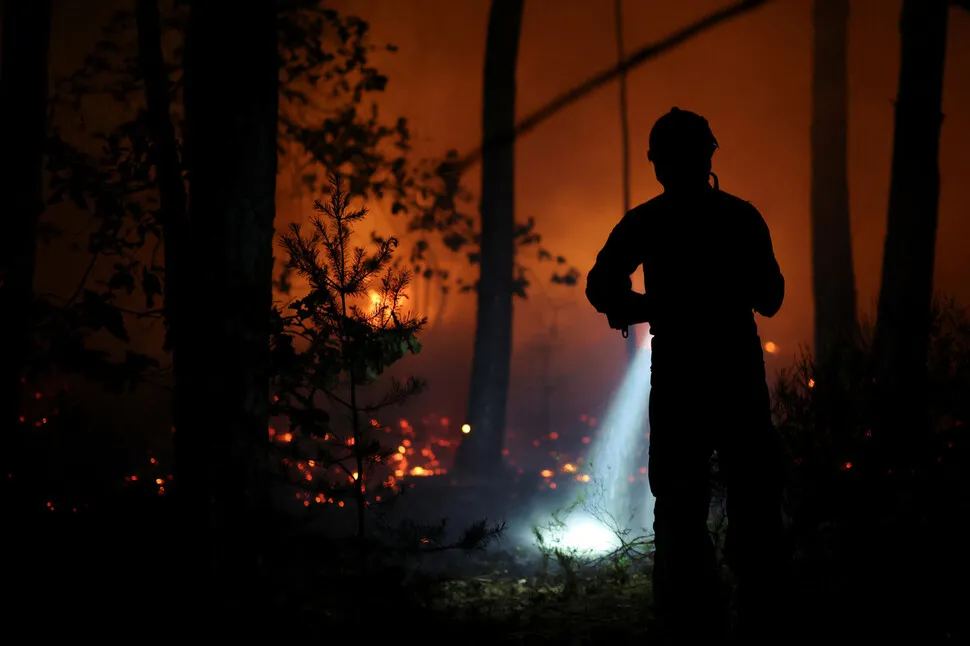
Prolonged periods of extreme heat, commonly known as heatwaves, are creating conditions that are significantly more conducive to the outbreak and spread of wildfires. These elevated temperatures dry out vegetation, turning it into highly flammable fuel. The lack of moisture in the environment, coupled with high temperatures, creates a tinderbox effect. This makes it easier for even small ignition sources, such as lightning strikes or human carelessness, to spark fires that can rapidly escalate. Furthermore, the dry and hot conditions often lead to stronger winds, which can accelerate the spread of flames across vast areas. This phenomenon poses a serious threat to ecosystems, human settlements, and infrastructure, highlighting the growing impact of climate change on natural disasters. The increased frequency and intensity of heatwaves are a direct consequence of global warming, making wildfire seasons longer and more severe in many regions around the world. Emergency services and environmental agencies are facing mounting challenges in managing and mitigating these increasingly destructive events. Preparedness and early detection systems are becoming even more critical in the face of these intensifying environmental pressures.
The intensifying relationship between heatwaves and wildfires underscores a critical feedback loop exacerbated by climate change. Rising global temperatures increase the likelihood and severity of heatwaves, which in turn dry out landscapes, making them more susceptible to ignition and rapid fire spread. This dynamic challenges traditional wildfire management strategies, which may need to adapt to a new normal of more frequent and intense fire seasons. The economic and ecological costs associated with these events are substantial, prompting a need for proactive measures that extend beyond immediate firefighting to include long-term land management, climate change mitigation, and resilient infrastructure development. Future planning must account for the increasing probability of such events, necessitating investments in early warning systems and community preparedness to minimize loss of life and property.
AI-generated to prompt reflection — not editorial opinion, not advice, not a statement of fact. How this works.