Heatwaves in Italy Strain Parmesan Cheese Production
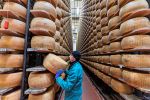
Extreme heatwaves in Italy, with temperatures exceeding 40 degrees Celsius, are putting significant pressure on Parmesan cheese manufacturers. The high temperatures are causing dairy cows to produce less milk, and the quality of the milk is also negatively impacted. Furthermore, the ongoing drought is threatening the availability of grass and hay, which are essential feed for the cows. This dual challenge of reduced milk supply and compromised feed sources poses a serious risk to the traditional production of authentic Parmigiano Reggiano cheese.
The current heatwaves in Italy highlight the vulnerability of traditional agricultural supply chains to climate change. Reduced milk yield and quality directly impact the output and cost-effectiveness of dairy products like Parmesan. The reliance on specific environmental conditions for feed production underscores the need for adaptive strategies in the agricultural sector. Future-proofing such industries may involve exploring drought-resistant feed alternatives, optimizing water management, and potentially diversifying production locations to mitigate risks associated with localized extreme weather events. This situation serves as a case study for the broader economic implications of climate change on specialized food production.
AI-generated to prompt reflection — not editorial opinion, not advice, not a statement of fact. How this works.