Heatwaves Persist in Shelters as Fuel Shortages Halt Air Conditioning
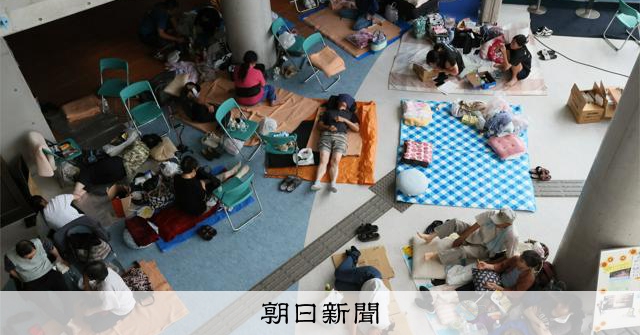
Residents seeking refuge in shelters during the summer heat are finding little relief as prolonged heatwaves continue unabated. A critical issue exacerbating the discomfort is the intermittent failure of air conditioning systems due to fuel shortages. This means that even in designated safe spaces, individuals are exposed to dangerously high temperatures for extended periods. The situation highlights a significant vulnerability in the infrastructure meant to protect the public during extreme weather events.
The lack of consistent cooling in these shelters poses a serious health risk, particularly for vulnerable populations such as the elderly, young children, and those with pre-existing medical conditions. The reliance on fuel for essential services like air conditioning underscores a broader challenge in maintaining operational capacity during emergencies or periods of high demand. The problem is compounded by the ongoing nature of the heatwave, which is placing continuous strain on resources and infrastructure.
The reliance on fuel for essential cooling infrastructure in public shelters during extreme heat events reveals a critical systemic vulnerability. This dependence creates a direct conflict between immediate relief needs and resource availability, particularly during prolonged or widespread emergencies. The situation prompts a re-evaluation of energy resilience strategies for public services, considering the increasing frequency and intensity of heatwaves driven by climate change. Future planning must prioritize sustainable and diversified energy sources for critical facilities to ensure consistent operation, thereby mitigating public health risks and upholding the intended function of these shelters as safe havens.
AI-generated to prompt reflection — not editorial opinion, not advice, not a statement of fact. How this works.