Heavy Marijuana Use Linked to Increased Cancer Risk, Research Suggests
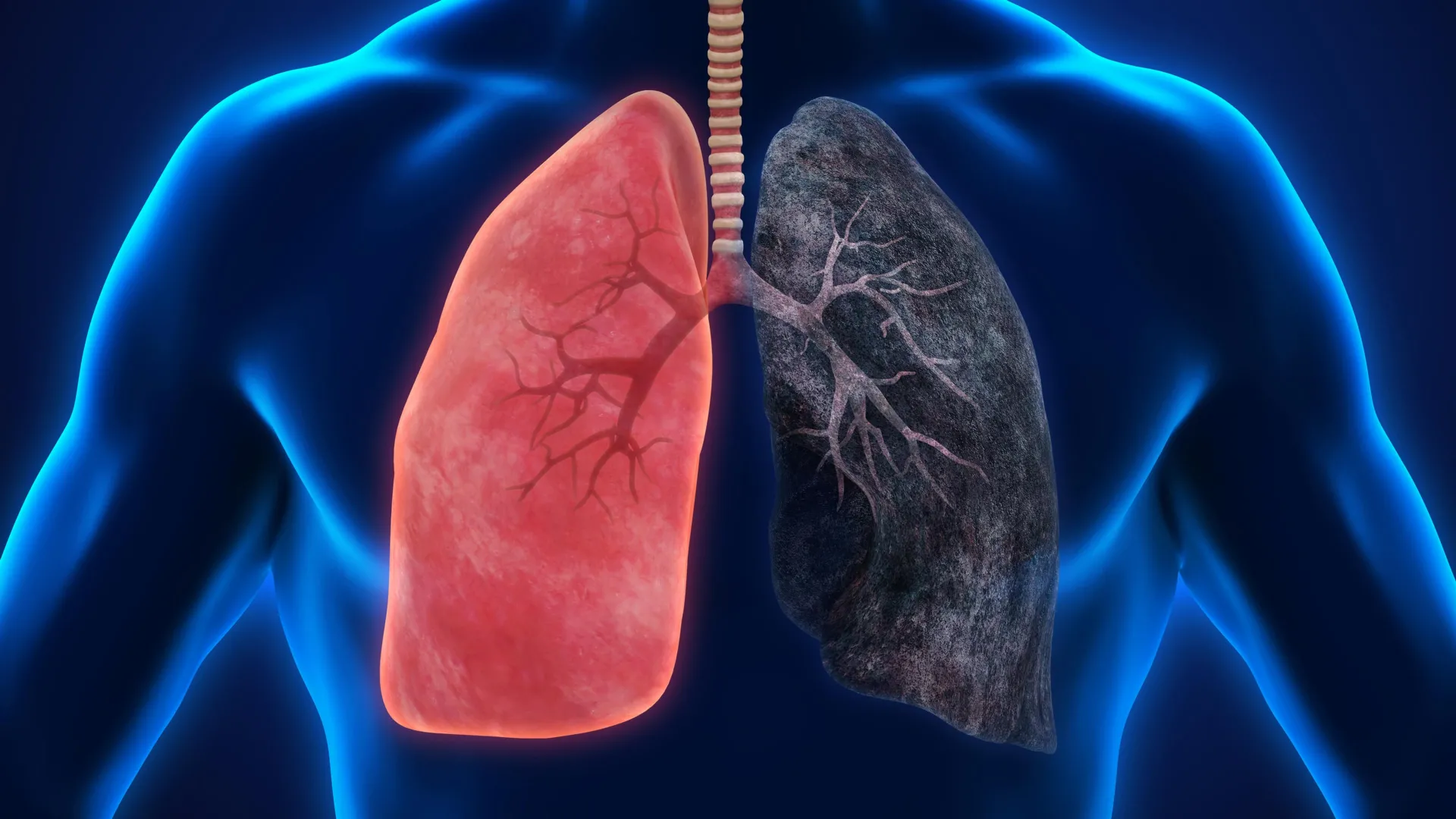
Growing research indicates that heavy marijuana smoking could elevate the risk of developing lung cancer and certain head and neck cancers. However, scientists acknowledge that many crucial questions surrounding this association remain unanswered. A primary focus of ongoing research is to pinpoint the specific amount of marijuana consumption that significantly elevates cancer risk. While marijuana edibles have not yet been associated with lung cancer, the long-term health implications of vaping marijuana and exposure to secondhand marijuana smoke are still under investigation. The scientific community is actively working to understand the full spectrum of risks associated with various methods of marijuana consumption.
Emerging research on marijuana use and cancer risk highlights the need for comprehensive public health guidance as consumption patterns evolve. While early findings suggest potential links between heavy smoking and certain cancers, further investigation is required to establish definitive causal relationships and dose-response thresholds. The distinction between smoking, edibles, and vaping necessitates tailored risk assessments for each consumption method. Future public health strategies should consider these nuances, alongside the broader societal implications of evolving cannabis regulations and their long-term health impacts.
AI-generated to prompt reflection — not editorial opinion, not advice, not a statement of fact. How this works.