Heavy Rain Triggers Gutter-Deep Flooding on EDSA, Slowing Traffic
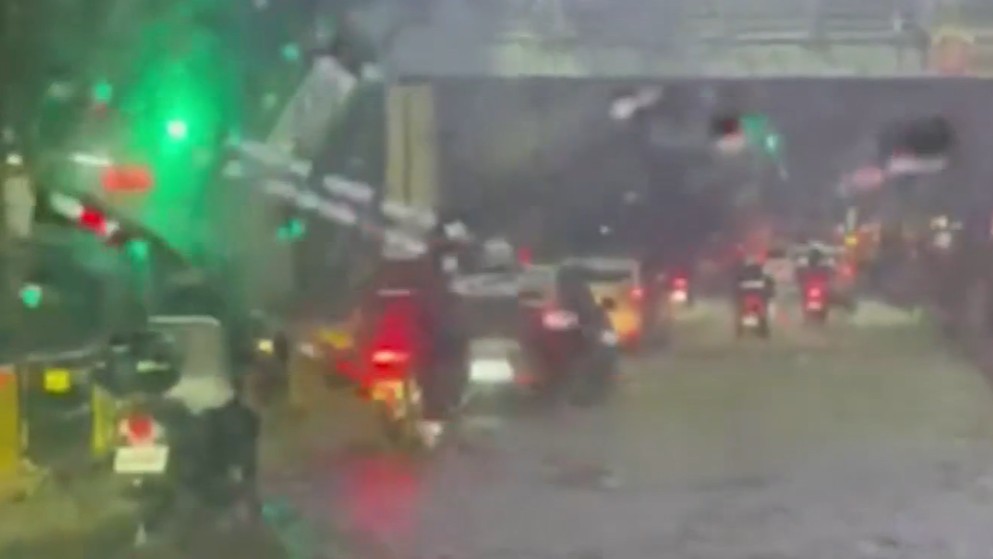
A sudden and intense downpour on Thursday evening caused gutter-deep flooding in several sections of Epifanio de los Santos Avenue (EDSA). The heavy rainfall led to significant disruptions in vehicular traffic along Metro Manila's primary thoroughfare. The flooding occurred despite EDSA being a critical artery for daily commutes and commerce in the capital region. This event highlights the recurring challenges faced by the city during periods of heavy precipitation. The depth of the floodwaters, reaching gutter-level, indicates substantial water accumulation in a short period. Consequently, vehicles experienced considerably slowed movement, impacting travel times for thousands of commuters and essential services. The situation underscored the vulnerability of major urban infrastructure to extreme weather events. Authorities likely responded to manage traffic and assess the extent of the flooding. Further details on specific affected areas or response efforts were not provided in the original report. The incident serves as a reminder of the need for robust urban drainage and flood management systems.
The recurring issue of urban flooding during heavy rainfall on major thoroughfares like EDSA points to systemic challenges in Metro Manila's infrastructure. This event, occurring on a Thursday evening, likely exacerbated rush hour congestion, impacting productivity and daily life. The gutter-deep flooding suggests that current drainage capacities may be insufficient to handle intense precipitation events, potentially exacerbated by urban development and waste management issues. Future planning must consider the increasing frequency and intensity of extreme weather events, driven by climate change, and invest in adaptive infrastructure. This includes upgrading drainage systems, promoting permeable surfaces, and implementing effective waste disposal strategies to prevent blockages. The long-term economic and social costs of such disruptions necessitate proactive, integrated urban planning and resilient infrastructure development.
AI-generated to prompt reflection — not editorial opinion, not advice, not a statement of fact. How this works.